


Time at home
I came back to the US in mid-November and have enjoyed time with family and friends. It’s always great to spend the holidays with those people you treasure most. However, I wasn’t prepared for the time it would take for me to adjust to grey skies. It was pretty tough for a bit, and as much as I enjoy the holidays, coming back to the beautiful Pacific Northwest during the winter months, might be a no-go. Time will tell.
Why Mexico?
Because of my shoulder injury, and surgery in March of this year, my surgeon wanted me to come back to see her one year later, in March of 2026, to see if my range of motion had improved enough that I wouldn’t need a shoulder replacement. So, I decided I would go to Mexico where I would be closer to traveling back home in the Spring, in case surgery was necessary.
Long story, short. I saw my PT therapist and my surgeon when I got back in November. And, although I don’t have full range of motion, all of the exercise I’ve been doing over the months have paid off! My muscles are getting stronger and my range of motion is much better and way more functional. So, I’ve decided to put off any shoulder replacement surgery for another year so that I can continue to improve. And at this point, I don’t think I will have surgery, at all. Stay tuned.
Because I don’t need to go back to the US in the Spring, I’ve decided to stay in Mexico for six months, and come back in the Summer while the grand-kids are out of school, and the weather is nicer. I’m also looking at Mexico as a place to stay longer term, so I will get a good idea of whether or not I like it.
January 11-March 9: Merida, Yucatan
I’ve rented an apartment in Merida, the capital of the Mexican state of Yucatan, and the largest city in Southern Mexico. It is located inland about 22 miles from the coast of the Gulf of Mexico.
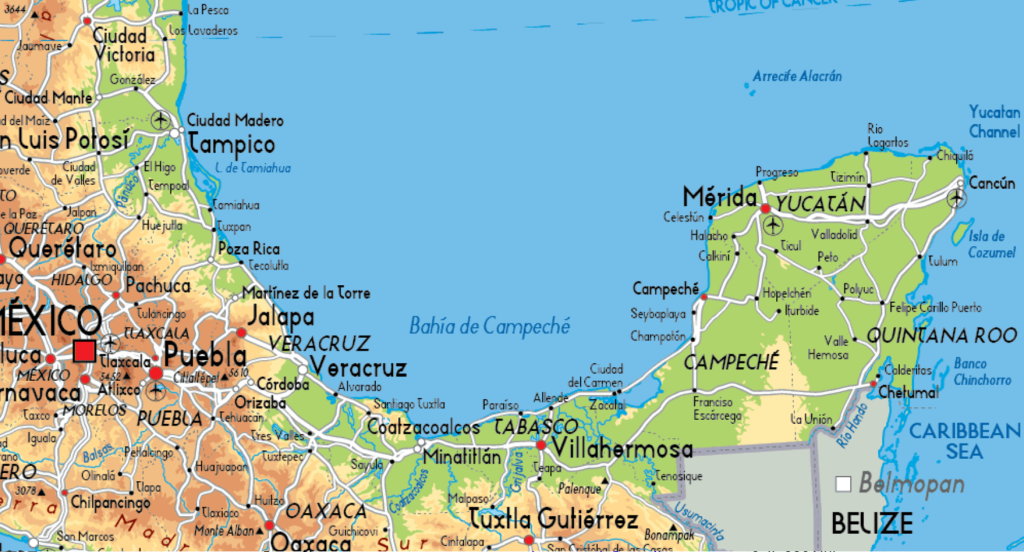
Founded in 1954, Mérida is a historic city in Mexico’s Yucatán Peninsula known for its elegant colonial architecture, rich Maya heritage, and reputation as one of the country’s safest cities. With a walk-able historic center, vibrant markets, excellent food, modern hospitals, and easy access to beaches and cenotes (underground water networks).
Merida is the largest the largest city in Southern Mexico. It is located inland about 22 miles from the coast of the Gulf of Mexico.
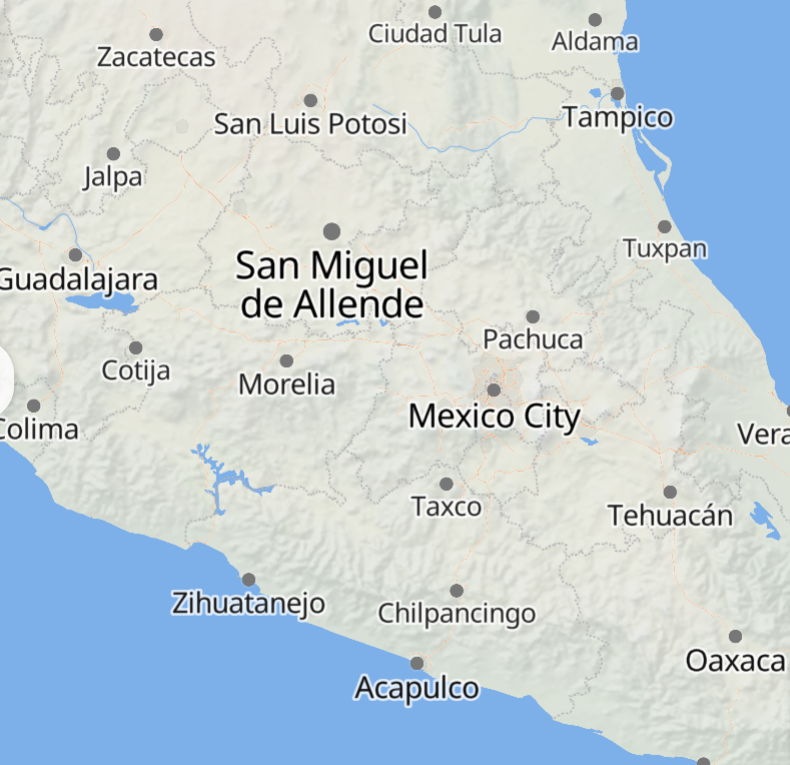
March 9 – May 4: San Miguel de Allende
San Miguel de Allende is a beautifully preserved colonial city in the mountains of central Mexico known for its colorful streets, baroque architecture, vibrant arts scene, and welcoming expat community. A UNESCO World Heritage Site, it offers a walk-able historic center filled with cafés, galleries, and plazas, along with a mild climate, rich cultural traditions, and a relaxed yet cosmopolitan lifestyle.
I’m renting a 2-bedroom apartment so looking forward to having family and friends down for a visit.
May 4 – July 5
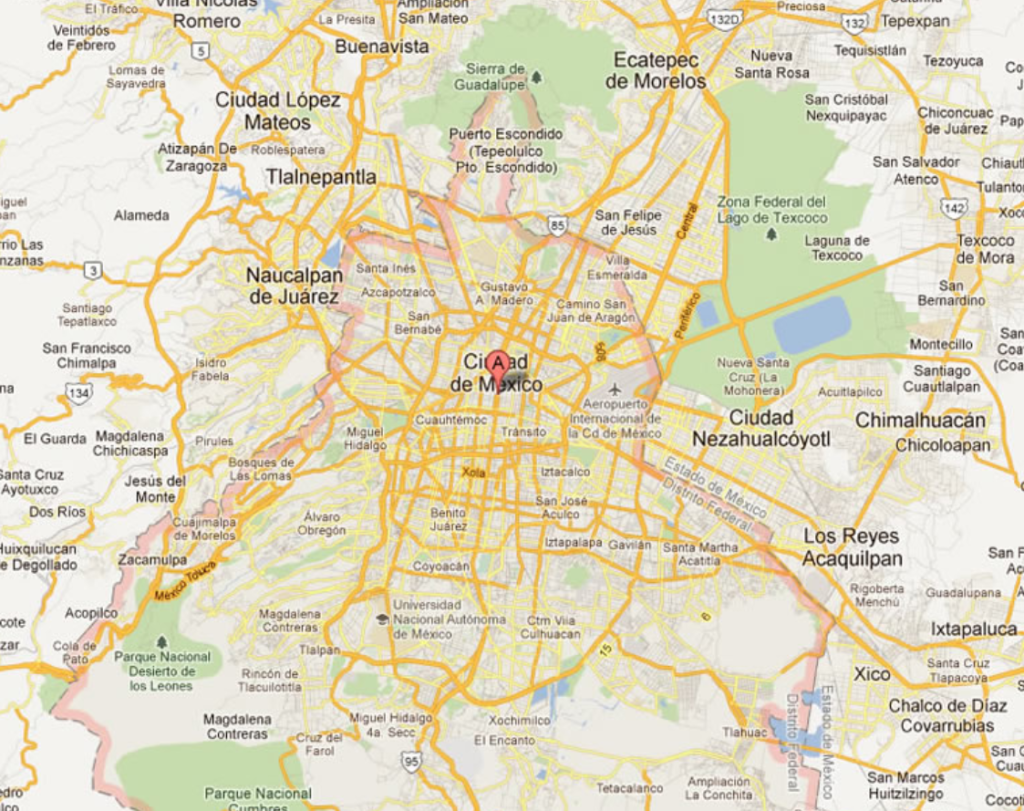
Mexico City is a vast, energetic capital where ancient history and modern life coexist at every turn. Built atop the ruins of the Aztec city of Tenochtitlán, it features world-class museums, grand plazas, leafy parks, and neighborhoods full of character—from colonial streets in Coyoacán to the art deco elegance of Condesa and the cosmopolitan buzz of Roma.
Despite its size, the city is highly livable, with excellent public transportation, diverse food markets, and a café and dining scene considered among the best in the world. Mexico City offers a rich cultural calendar, creative energy, and everyday conveniences that make it as rewarding for long-term living as it is for short visits.
July 5 – Sometime in August or September
I plan to be back in the US during Summer, and from there will likely go back to Europe, as I will be allowed back into the Schengen Zone by that time of the year.
What is the Schengen Zone?
The Schengen Zone is a group of European countries that have abolished internal border controls, allowing people to travel freely between member states as if they were a single country. It enables passport-free movement for short stays while maintaining a shared external border and common visa rules for visitors.
It means you may spend up to 90 days within any rolling 180-day period in the entire Schengen area, not per country. The 180-day window is always counted backward from your current date, and every day you are physically present in Schengen counts—entry and exit days included.
Once you use 90 days, you must leave the Schengen Zone and remain outside until enough days “fall off” the 180-day look back window to allow re-entry. Overstaying can lead to fines, entry bans, or future visa issues, so it’s important that you track days carefully.