Family visiting!
My son Josh, and youngest grandson, Casey, spent 10 days with me in San Miguel de Allende. As I’ve said before, I really enjoy traveling alone….but sharing my adventures with people I love is just the BEST!
After several delays due to weather, they finally arrived at my apartment around 1:30am (about 5 hours past my bedtime). Casey jumped out of the car and ran to hug me. I was stunned that he came to my chin. He has literally grown several inches since I say him in December. I’ve told him that he needs to stop growing, but he tends to ignore me with a look that says I must be kidding.
We had the best time seeing the sites in San Miguel de Allende and Guanajuato, having a barbecue and pool party with friends, eating great food, and just overall generally hanging out. It has taken me a couple of days to re-group after they left and stop feeling lonely and sorry for myself.
Easter in Mexico: “Burning of the Judas”
We were able to witness one of the most bizarre Easter traditions I have every seen!
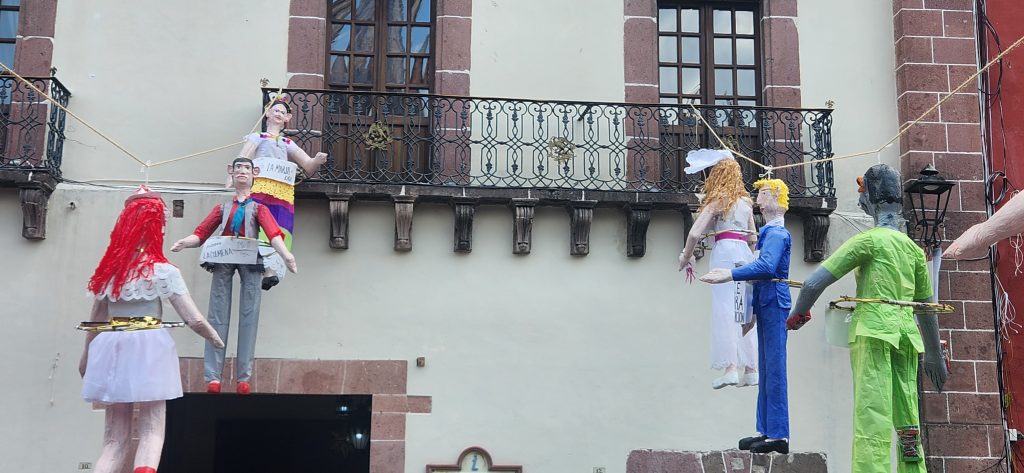
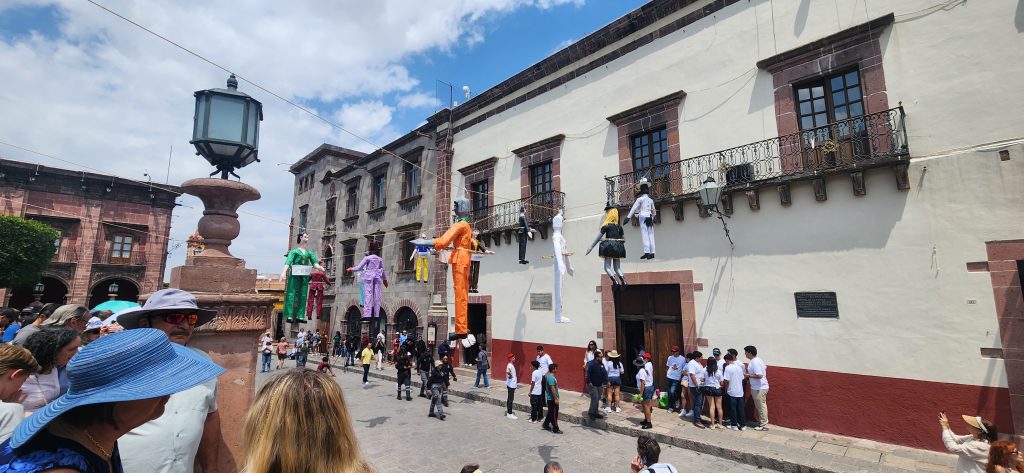
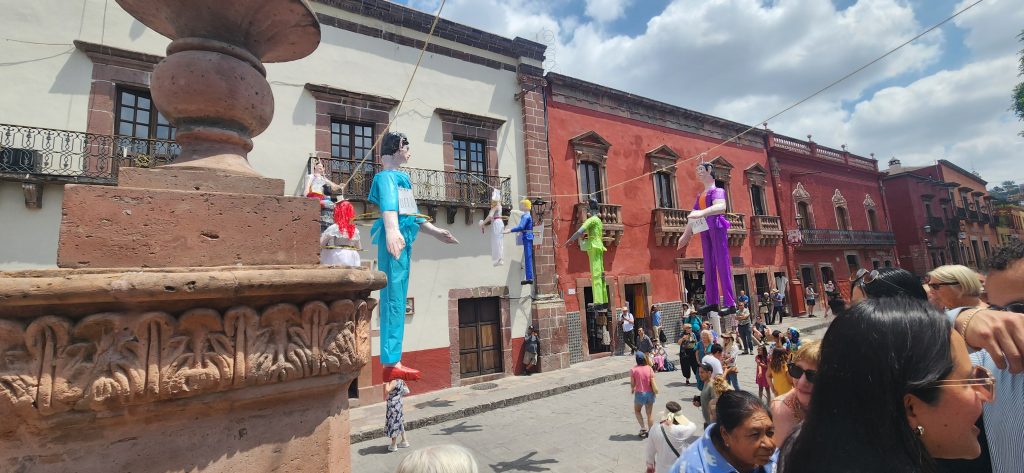
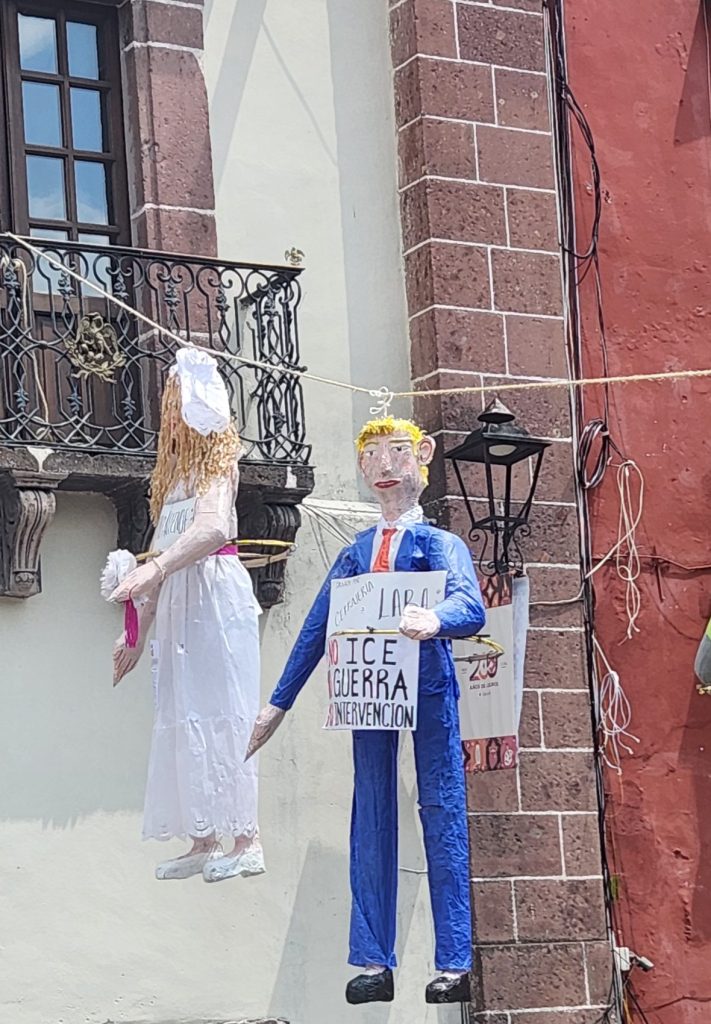
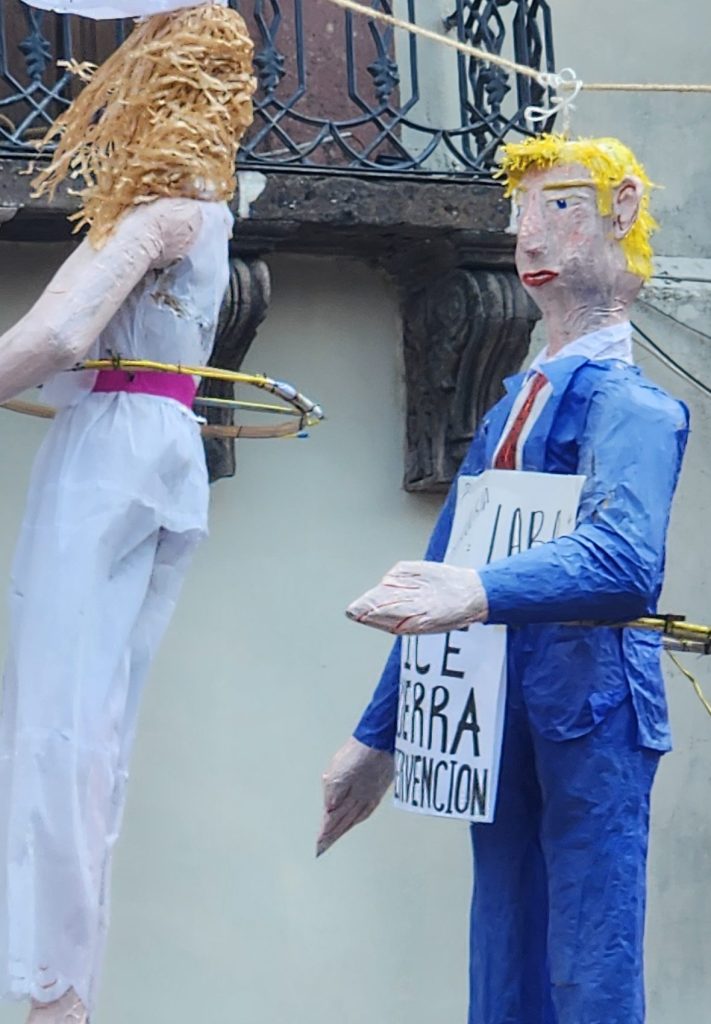
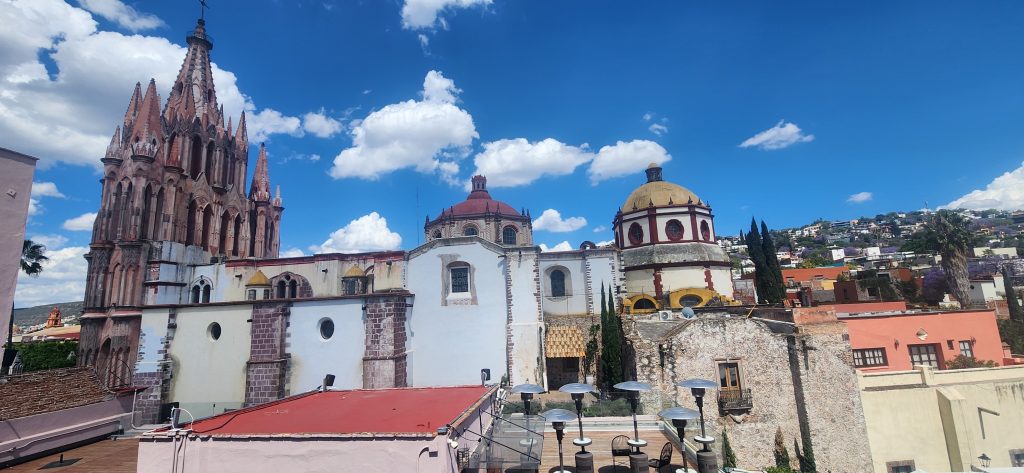
At noon on Easter Sunday, the bells of the Parish of San Miguel Arcángel began to ring to announce the Resurrection of Christ. And in front of the Allende Garden and the old municipal palace, local artisans had hung large papier-mâché and cardboard figures representing Judas Iscariot. We immediately recognized the Trump figure.
This Easter ritual, “Burning of the Judas” (Quema de Judas), involves the hanging and then the destruction, of elaborate larger-than-life tissue paper effigies depicting unpopular contemporary political figures, celebrities, or any other well-known “Judas” who walks among us. One by one, these paper puppet symbols of corruption, malfeasance, betrayal, and general evil-doing are booed and then blown up to the cheers and laughter of onlookers.
The Burning of Judas dates back to the Middle Ages in Europe. Originally it was about celebrating triumph over evil and betrayal, symbolized by Judas Iscariot, the apostle who betrayed Jesus. Though Judas purportedly hung himself over the agony of his own betrayal, the ongoing tradition found that hanging a Judas effigy was not nearly as exciting or cathartic as watching one burn. Or blow up. Or both.
The organizers and participants in the Judas burning tradition believed that with the destruction of these Judas-inspired figures, they were purging their towns of the bad juju of the past and replacing it with pure positive energy for the future. Apparently religious beliefs and prayer needed some additional assistance from a weird annual ritual to keep a town and its people safe and free.
We are not talking about a few fireworks….these figures were literally BLOWN up. We laughed until we cried watching these 20 or so figures being booed by the crowd and exploded into pieces. And, yes….Trump got the largest response from the crowds.
Mexico: Guanajuato
We took a 90 minute bus ride to the Guanajuato, the capital city of the State of Guanajuato and spent the night in a wonderful hotel, El Meson de los Poetas, that kept the style and history of Mexico with some upgraded amenities that made it a comfortable place to stay. (And a place with two bedrooms where Casey and I could get away from my son’s snoring.)
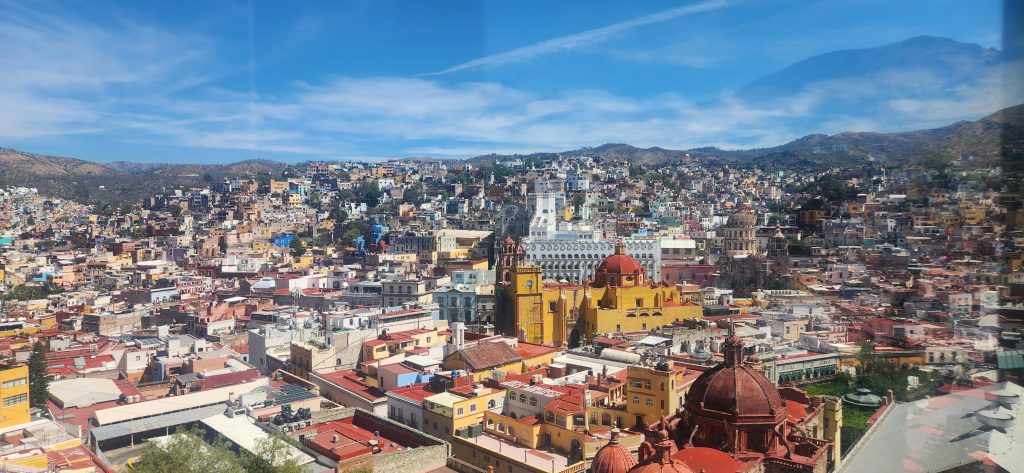
We realized pretty quickly that this is a city where people live, work, study, and play. The city was a bit discordant and it’s beauty not perfectly preserved. Even though it is a UNESCO World Heritage Site, it does not appear to be very popular with foreign tourists, who seem to prefer San Miguel de Allende. This made the place feel like we were having a more authentic Mexican experience.
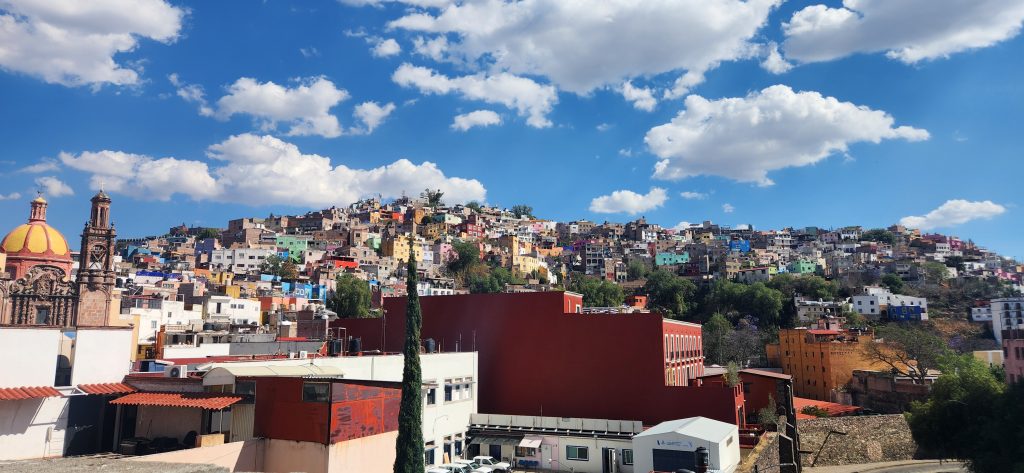
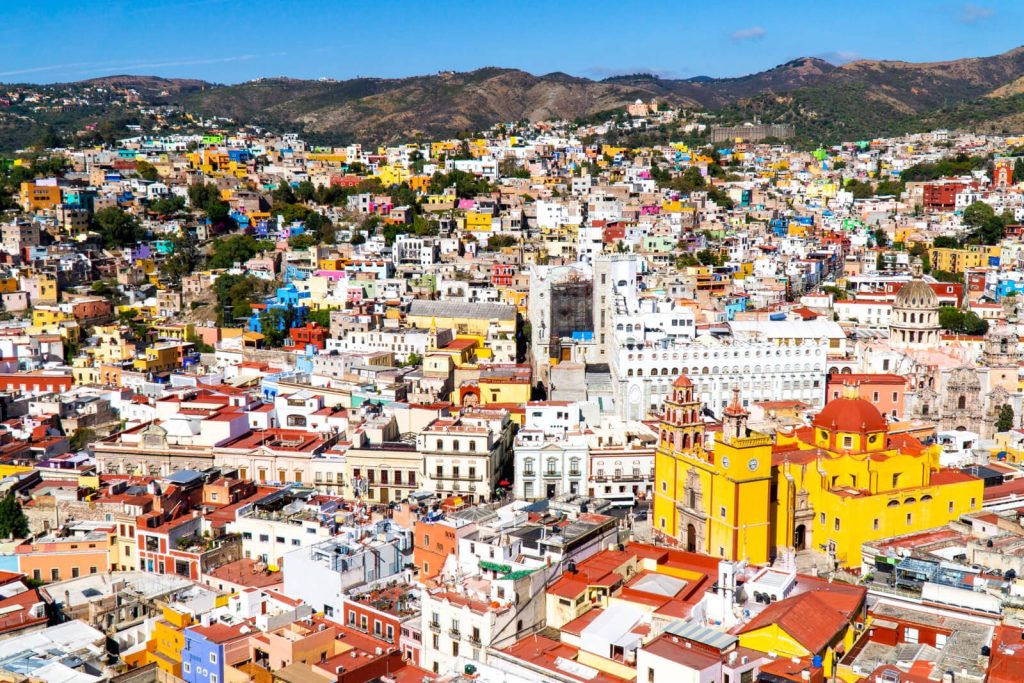
The houses of Guanajuato tumble down the hills that surround it in every imaginable color. There’s no color scheme—fuchsia pink mingles with red, saffron yellow, baby blue, and lime green.
Visiting the Mummies of Guanajuato Museum
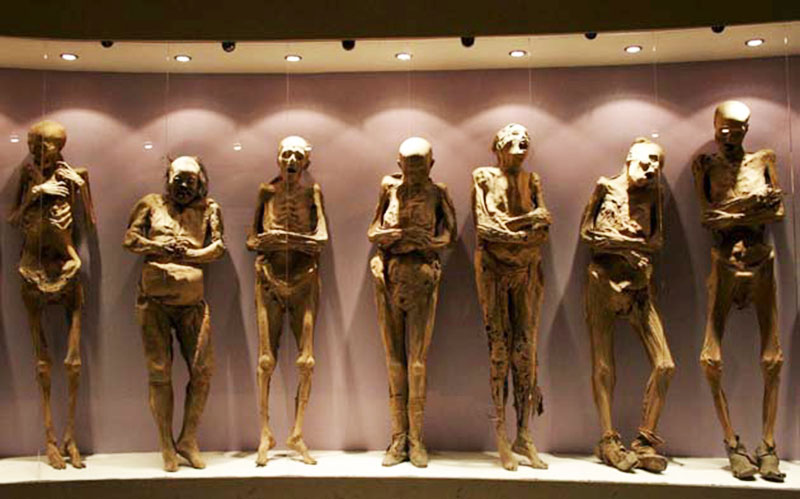
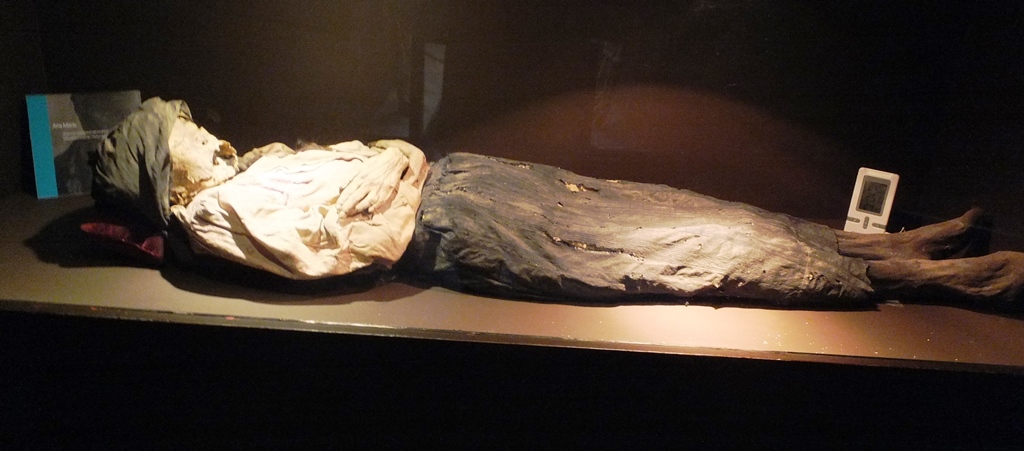
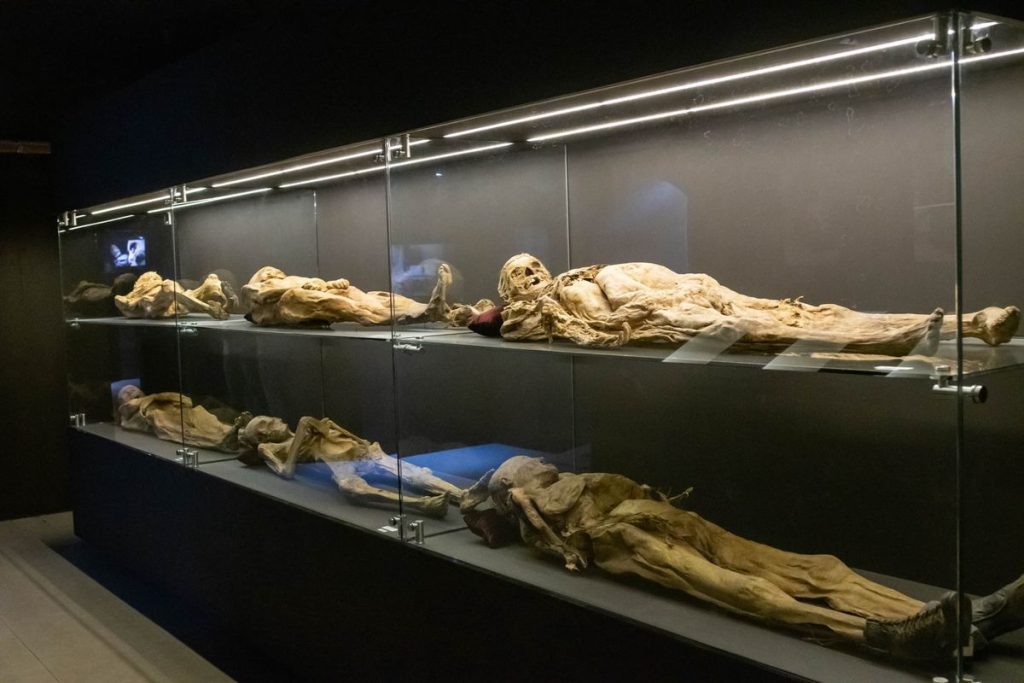
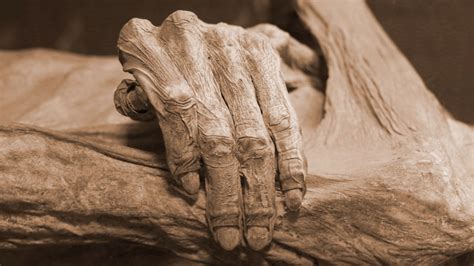
The Mummies of Guanajuato Museum (Explanada del Panteón Municipal) sits at the back of an old cemetery in Guanajuato City and contains the incredibly well-preserved, mummified remains of 117 people who died in the area during the 19th and 20th centuries.
The mummies are the bodies of people who were interred in a crypt beneath the city and, thanks to the unique environmental conditions in Guanajuato, they did not decompose. They have not been embalmed or purposely mummified.
After death, these bodies were buried in the Pantéon Santa Paula cemetery in Guanajuato. As was the case with many cemeteries at the time, the families of the deceased had to pay an annual tax to keep their bodies interred and if they failed to pay, gravediggers would dig them up and remove them. When the gravediggers discovered that the mummies were in fact, still well preserved and not dust and bones, word traveled fast and people started sneaking into the crypt to take a look.
The Mummies have been on display in some form or another since the 1960s and at various points in time, have been taken “on tour” across Mexico to various exhibitions and shows.
The museum was fascinating, but it wasn’t until we got to the bodies of babies and small children that I really felt the punch of what we were seeing.
Funicular & El Pipila Statue
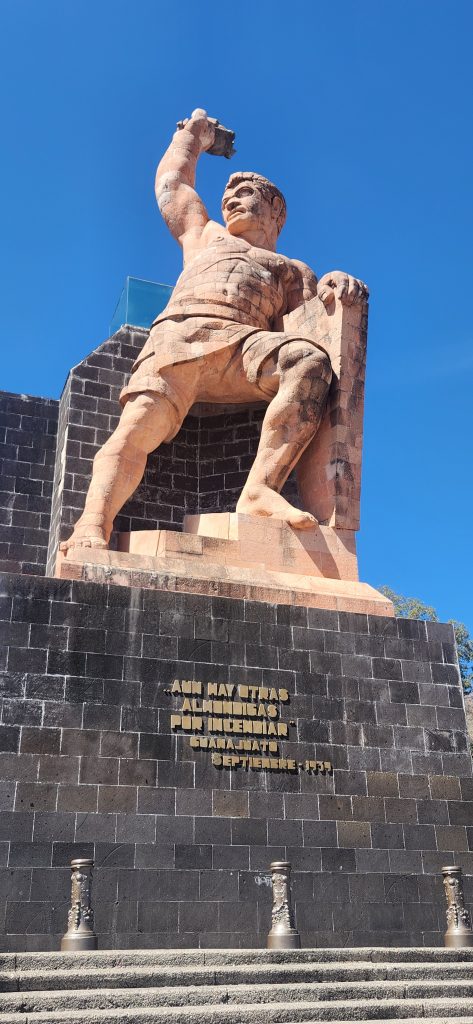
When the Mexican War of Independence began in 1810, El Pipila, carrying a large, flat stone tied to his back (to protect him from musket fire) and brandishing a flaming torch, together with a small supply of tar. His place in history was assured when he marched up to the large wooden door at the warehouse entrance and set it alight. After which, the local insurgents stormed the building and killed everyone inside.
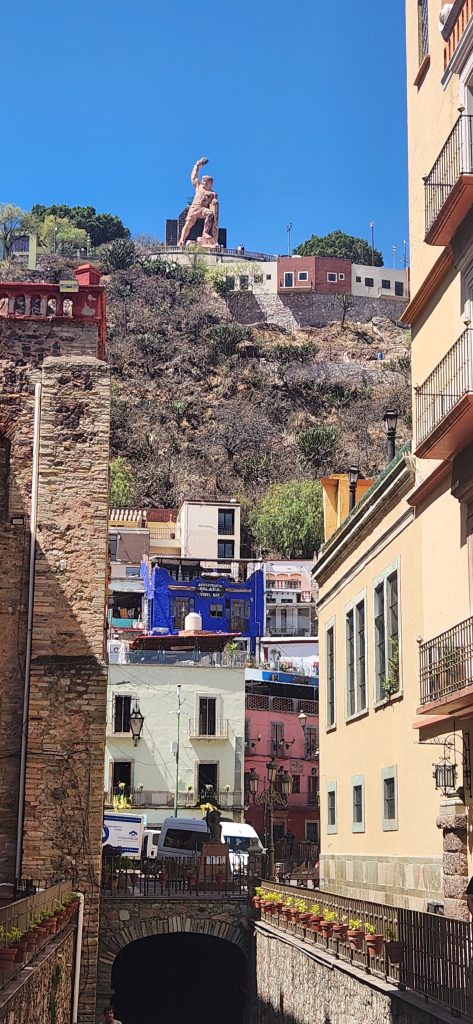
It was the Mexican insurgents’ first victory in the war with Spain, which lasted until they finally achieved independence in 1821. The statue was built in his honor in 1953 from pink sandstone and depicts a muscular man carrying a flaming torch high above his head.
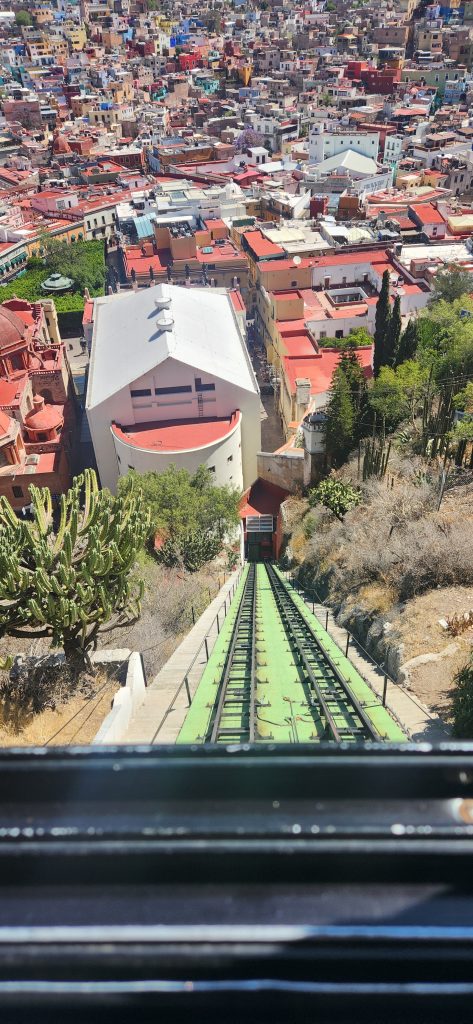
This monument stands at the top of a large hill that can be access by really, really (no, I mean REALLY) steep stairs. We chose the easier way, riding the Finicular, a two-car system in which each car runs simultaneously in opposing directions. The 102-metre climb only takes a minute-or-so and stops just below the monument itself.
Casey: Pancakes and Dragons
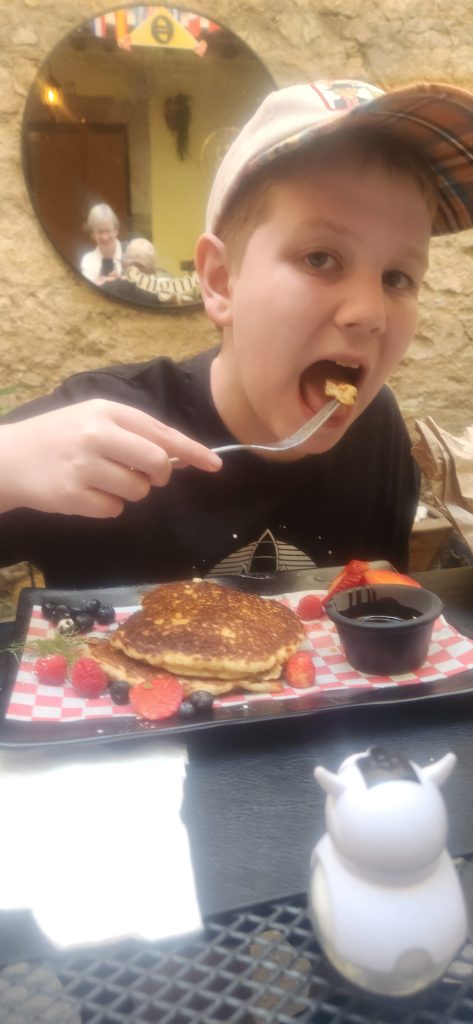
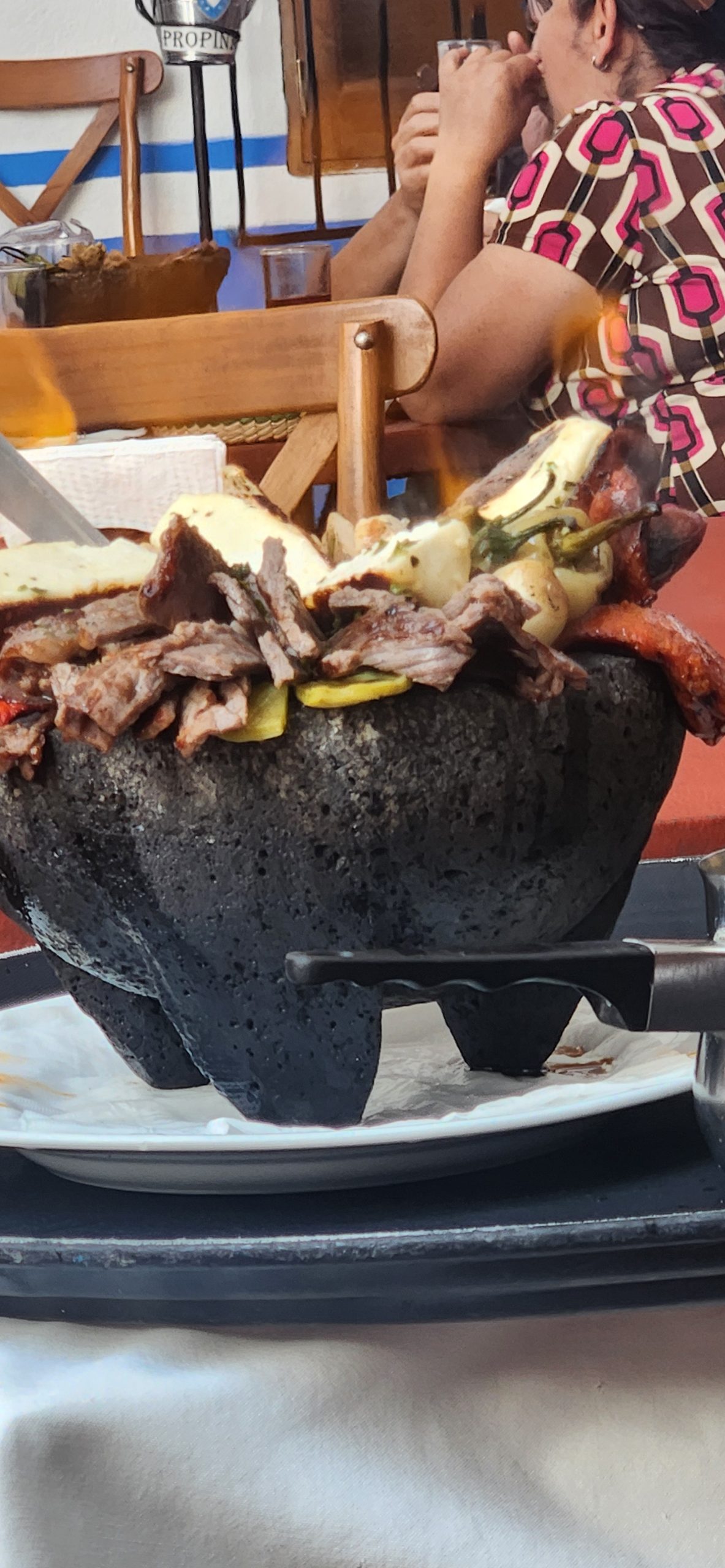
During the many things we did while Casey and Josh were visiting, was eat out. Casey has tried pancakes in several different places and has declared the pancakes he had in Guanajuato the very best. He has dubbed them the “Chef’s Kiss.” Every other pancake was measured by those, and although there were some great pancakes, not compared to those in Guanajuato.

Mission Accomplished:
We did however, have an overriding mission. FIND 3d printed dragons. Casey has about 50 or more and it is his favorite thing to collect. I was not very confident in finding them here, as typically they are found at vendor fairs, or ordered online.
But, we searched thorough market after market. Booth after booth and were able to find FOUR of them. That boy was thrilled, and even when we had walked and walked in the sun and scorching heat, he wanted to keep going. He found the last one on the day before they left at a large open air market.
And, since his birthday is coming up, we went online to Amazon and ordered two more to be delivered! I am bummed about not being home for his birthday, but that’s part of the life I’ve chosen. Not always easy!