
Oaxaca
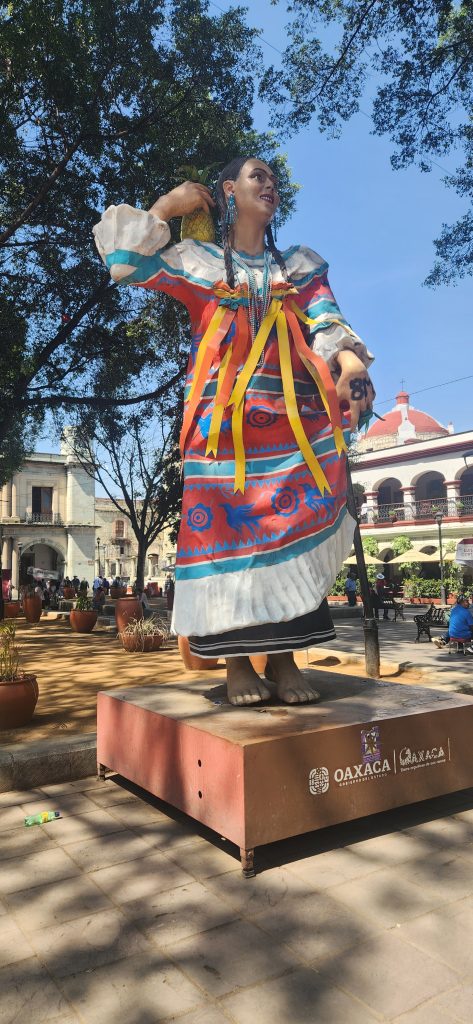
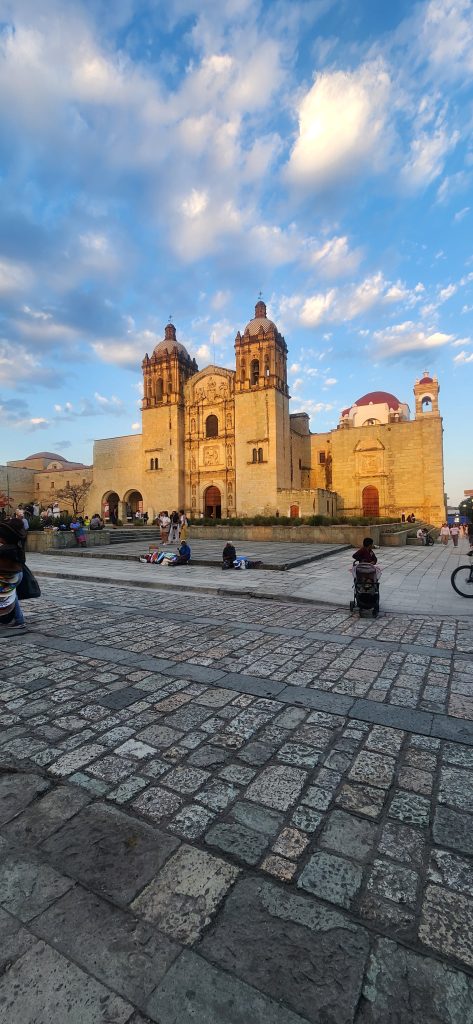
Founded in 1532 and nestled in a high-altitude valley surrounded by the rugged mountains of southern Mexico, Oaxaca is one of the country’s most visually striking and culturally layered cities. It sits about 5,000 feet above sea level, giving it a mild springlike climate for much of the year, except during my stay (high 80’s-mid 90’s). Colorful colonial buildings, shaded plazas, and nearby mountain villages create a landscape that feels both historic and deeply connected to the surrounding natural environment. The region’s geography has also helped preserve Indigenous traditions for centuries, as many communities remained relatively isolated in the surrounding valleys and mountains.
Oaxaca is considered one of the greatest culinary destinations in Mexico. It is famous for its seven traditional moles, complex sauces made with combinations of chiles, spices, nuts, seeds, and chocolate. Street markets overflow with handmade tortillas, roasted meats, fresh cheeses, chapulines (toasted grasshoppers), and rich hot chocolate traditionally whisked until frothy. The city is also known for mezcal, the smoky agave spirit produced throughout the surrounding countryside.
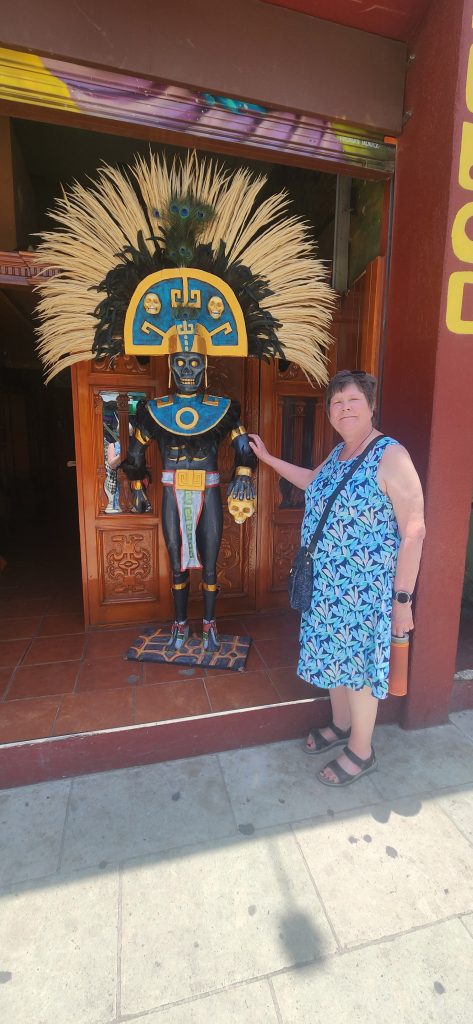
My friend, Rosie, came to visit while staying in Oaxaca. This made touring the region much more enjoyable!
The Mezcal Journey
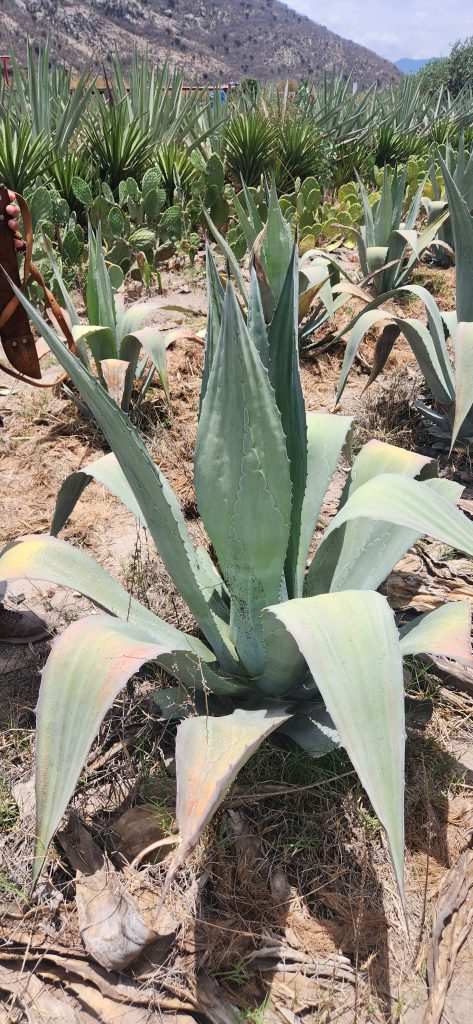
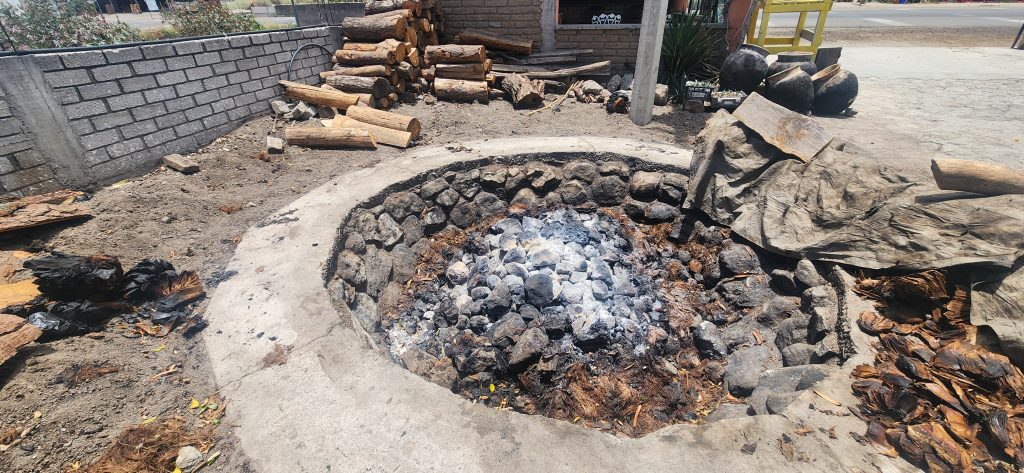
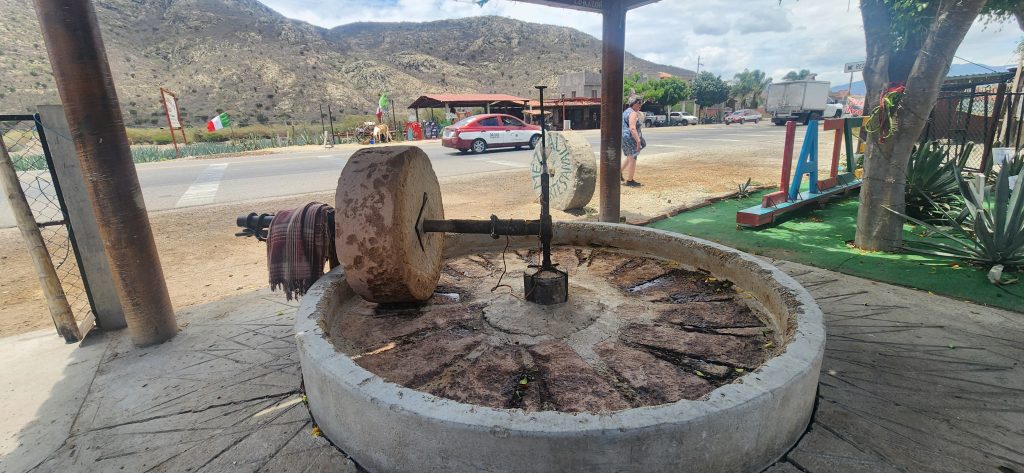
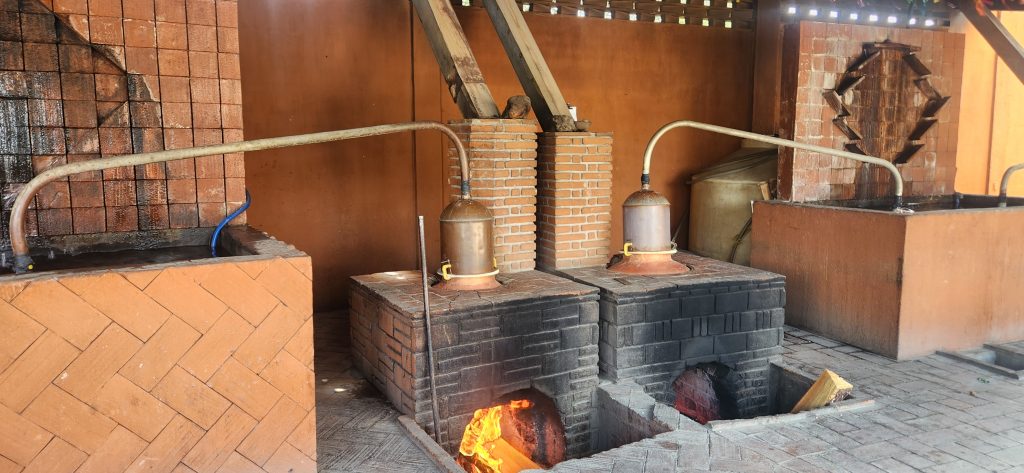
Oaxaca is considered the heart of mezcal culture because of it’s wide variety of agave species. The agave is cooked in underground pits and has been produced in the area for centuries. Recipes and distilling techniques are passed down through generations. Mezcal is often handcrafted in small batches using stone mills, clay or copper stills, and natural fermentation methods that give each bottle a unique character.
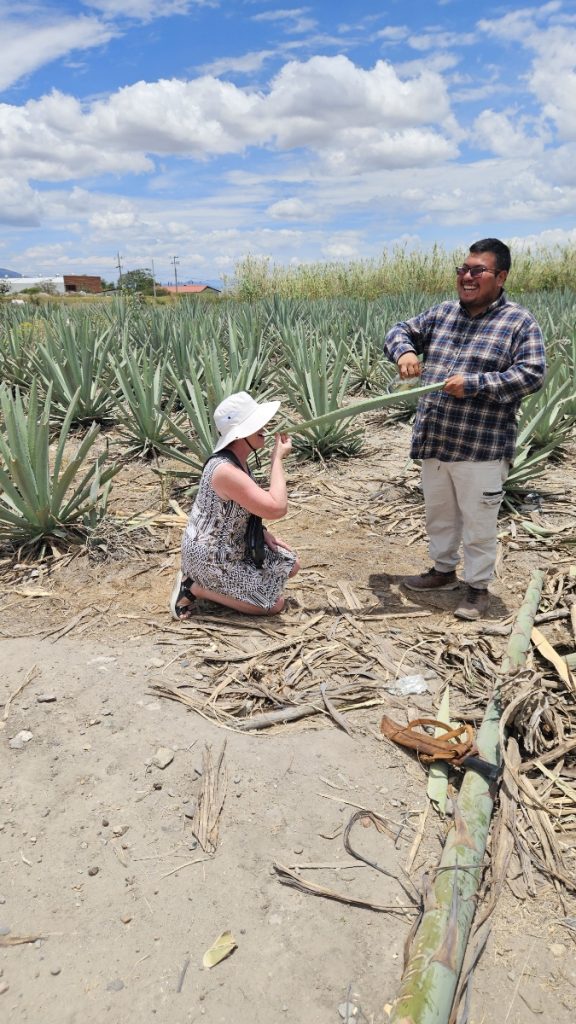
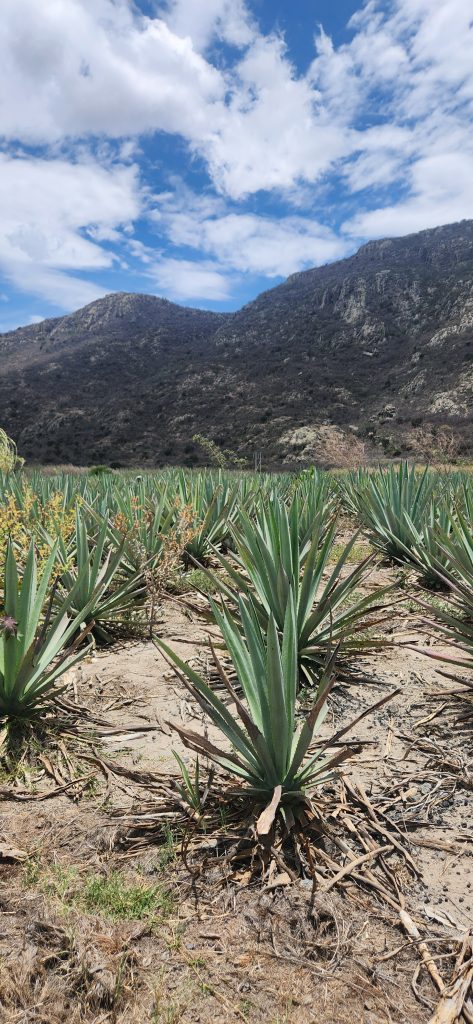
We visited a field where various types of agave are grown. We had our first taste of mezcal was the traditional way, having it poured down an agave leaf directly into our mouths. Fun! Using an agave leaf to sip mezcal is believed to enhance the experience and honor the beverage’s roots.
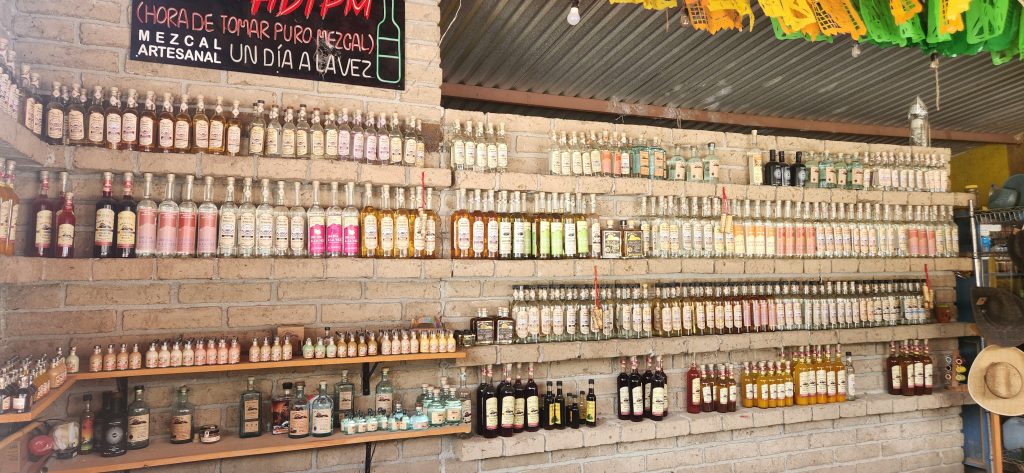
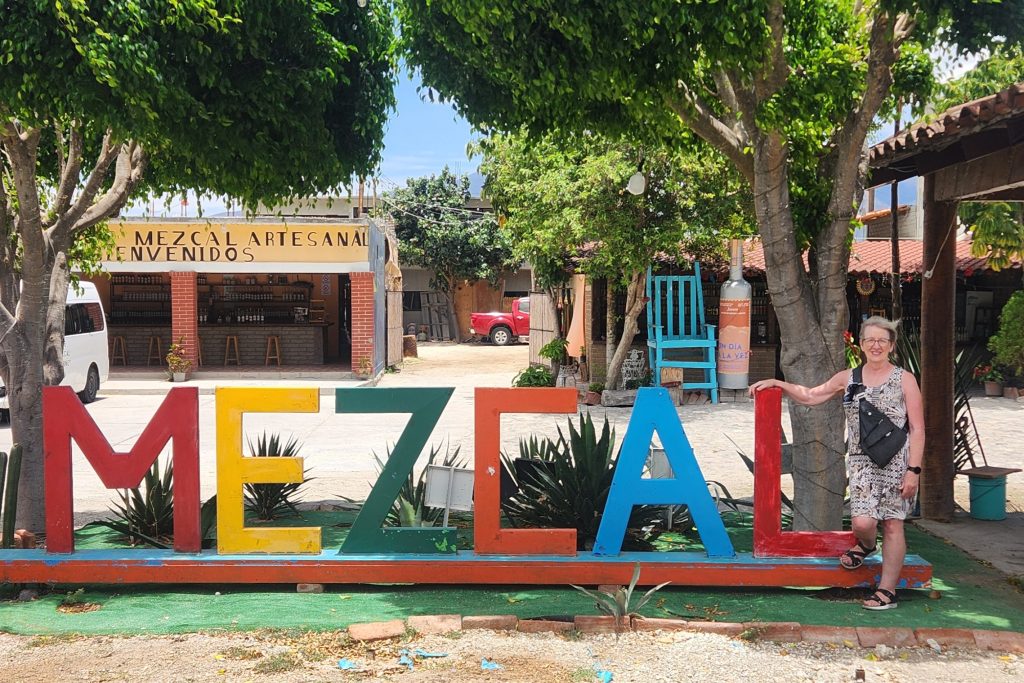
Then we visited two different palenques — small distilleries where producers explained the harvesting, roasting, fermentation, and distillation process while offering tastings straight from the still. We ended up tasting 20 different mezcals. But, the tastings were very small so no one drank too much. However, I can say, for SURE, that mezcal is not ever going to be one of my favorite drinks.
Monte Alban Ruins
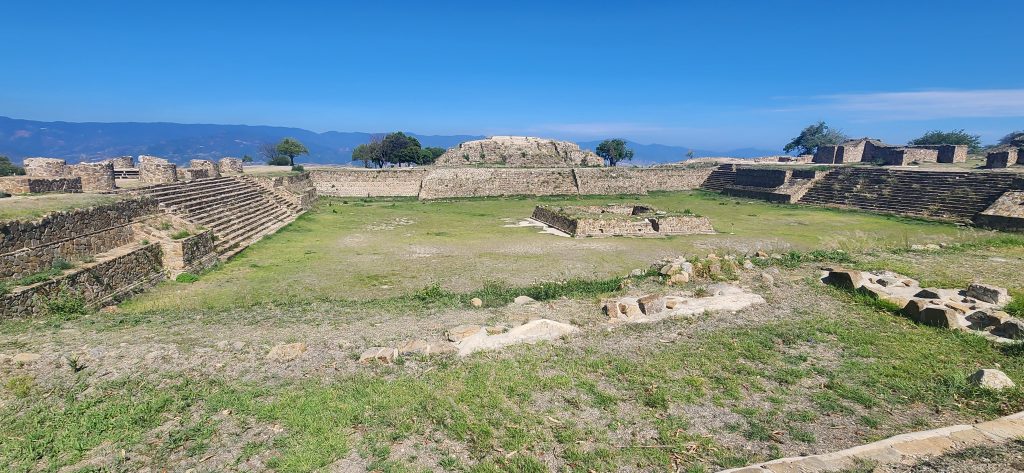
Perched high on a flattened mountaintop overlooking the valleys of Oaxaca, Monte Albán is one of the most important archaeological sites in Mexico (a UNESCO World Heritage Site) and the ancient ceremonial center of the Zapotec civilization. Founded around 500 BCE, the city became a powerful political and religious capital that thrived for more than a thousand years. Its strategic location provided sweeping views of the surrounding valleys, while its grand plazas, pyramids, temples, and carved stone monuments reflected the sophistication of Zapotec engineering and astronomy.
We walked through the many ruins and climbed an ancient pyramid. Again, like previous trips to ruins, going up the stone steps wasn’t too bad, except they are about 12″ tall….it’s coming back down those stairs where it becomes tricky, and I have to ask myself why I thought it was a good idea.
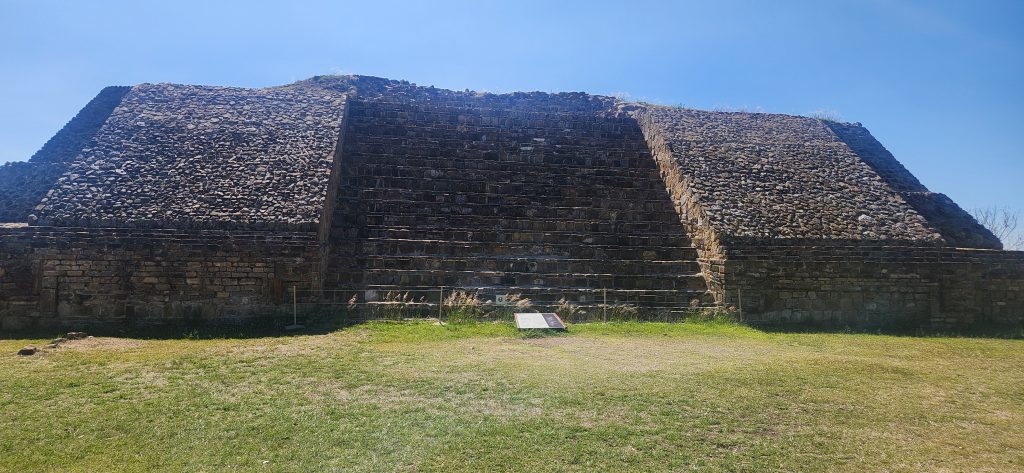
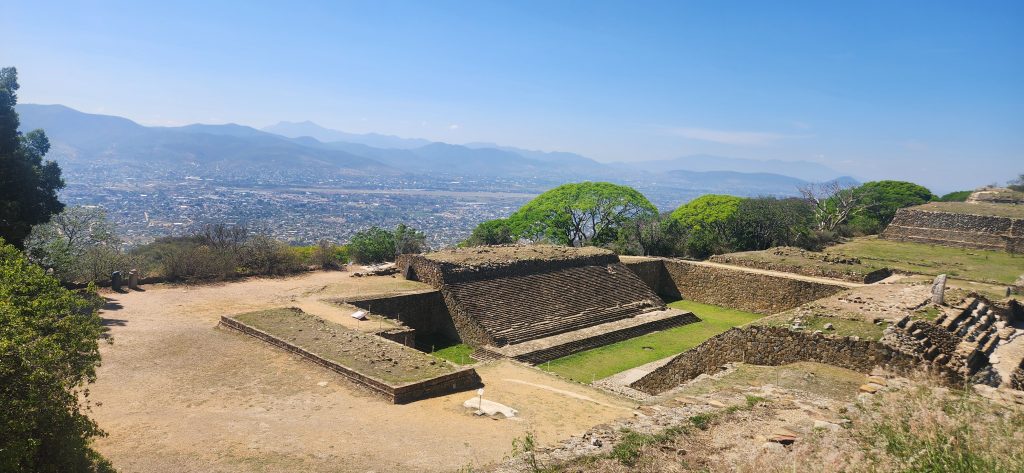
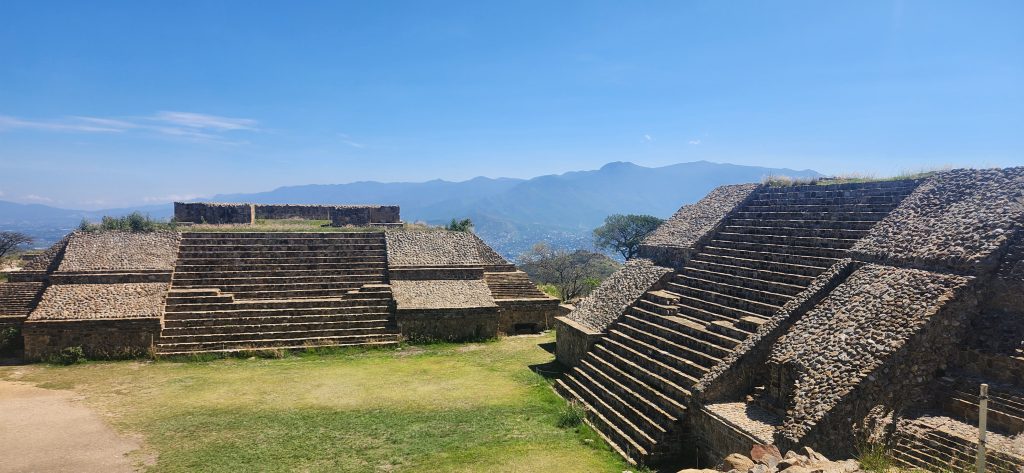
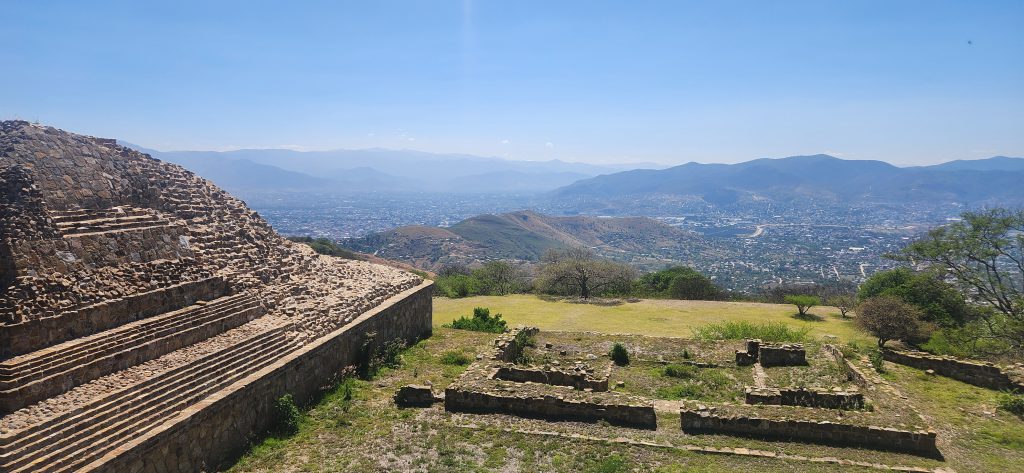
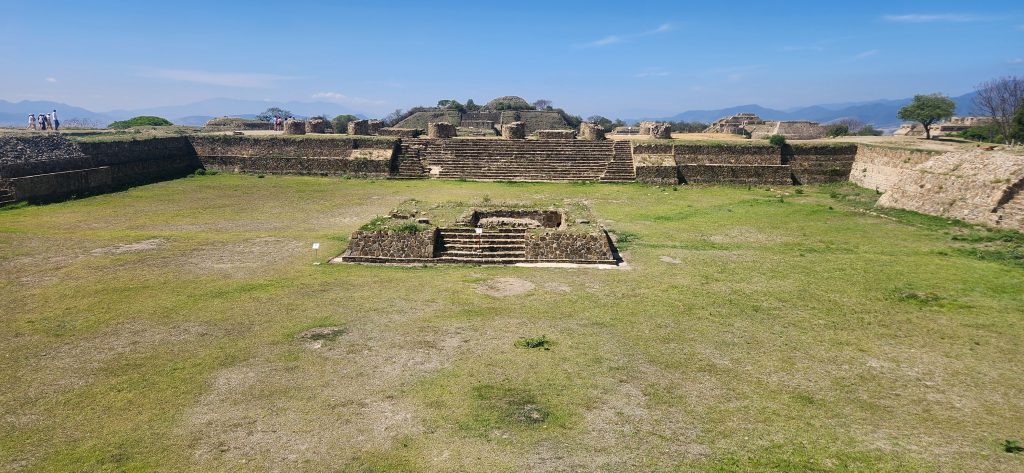
One of the site’s most famous features is the collection of carved stone figures known as “Los Danzantes,” which are believed to depict captured rulers or ritualistic scenes.
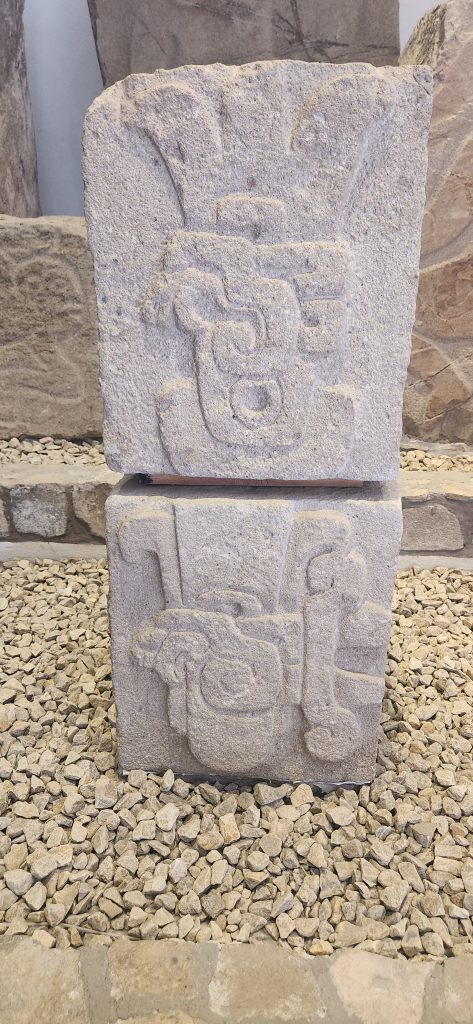
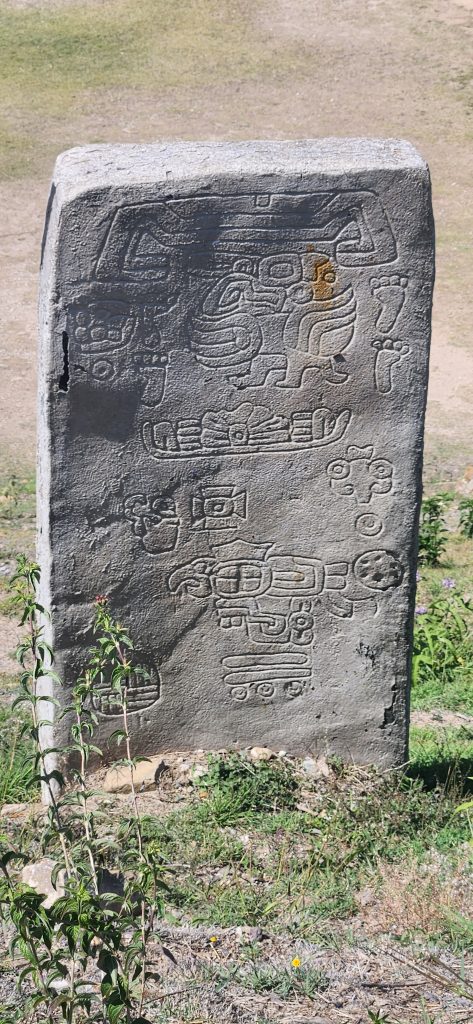
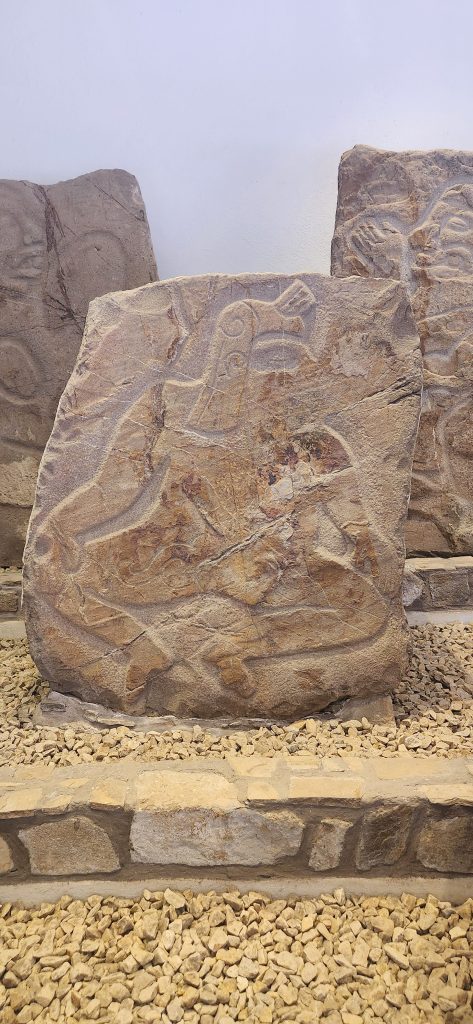
And THE tree…Arbol del Tule
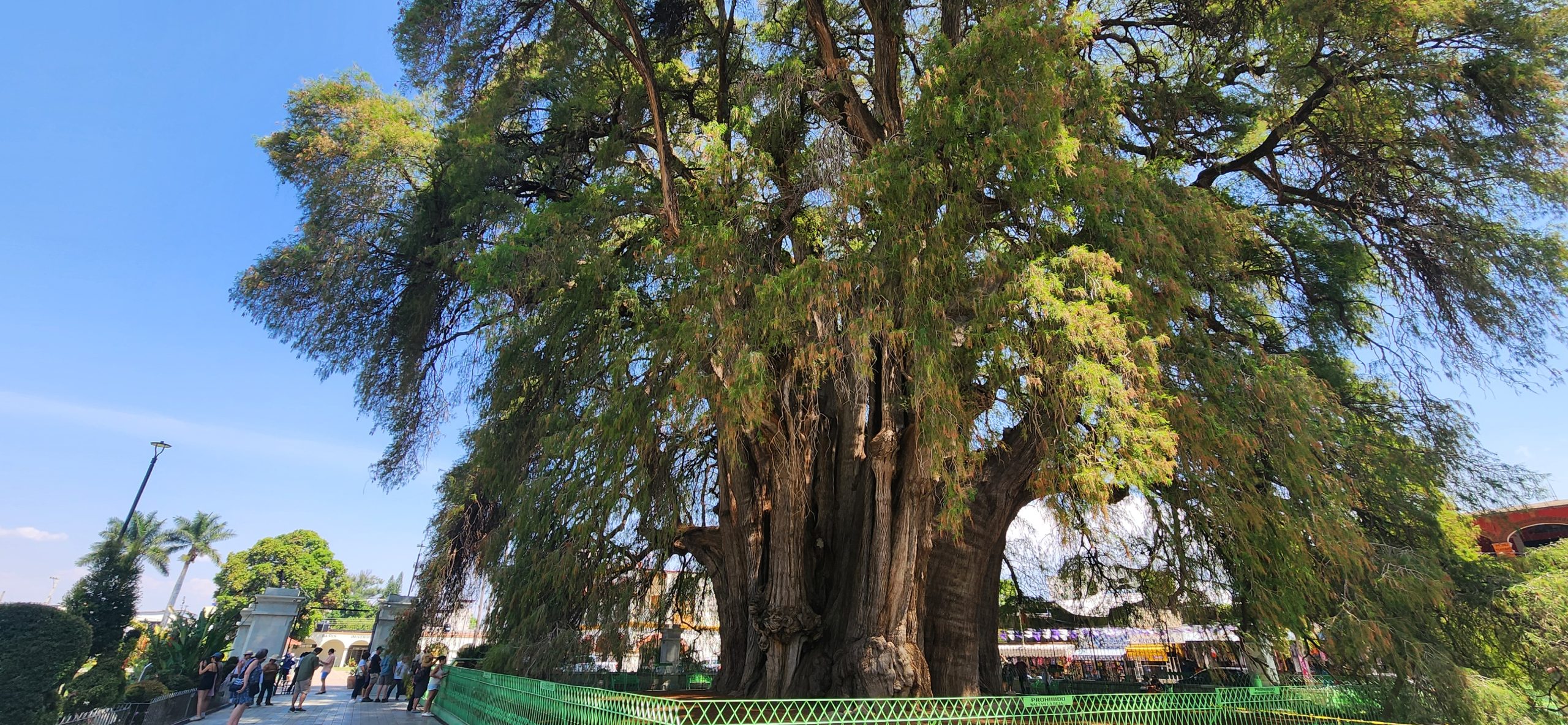
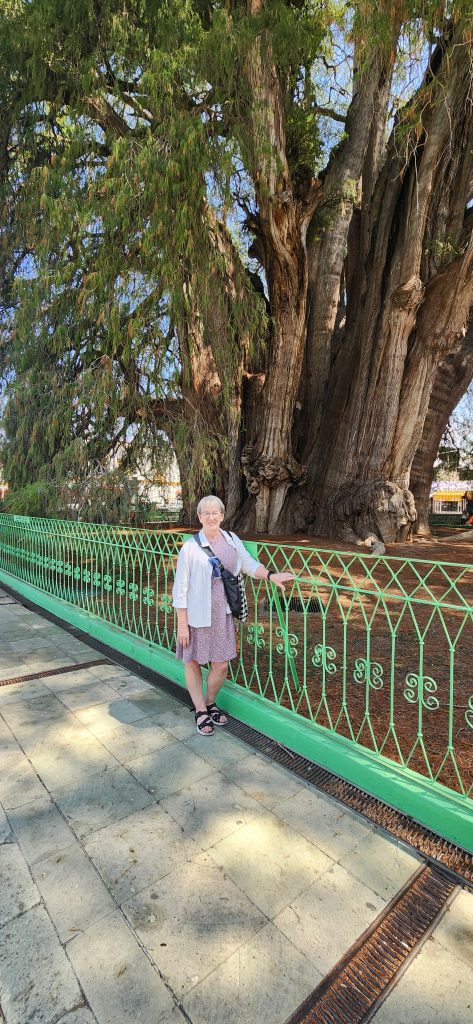
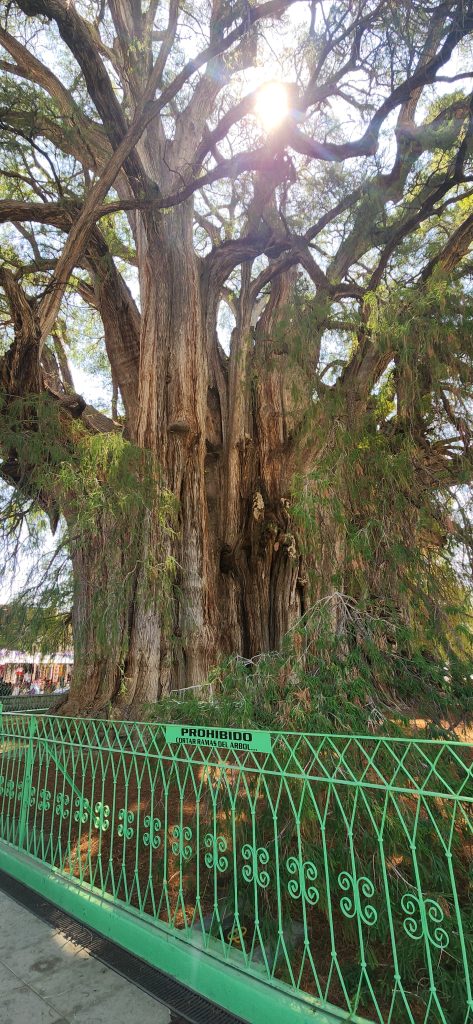
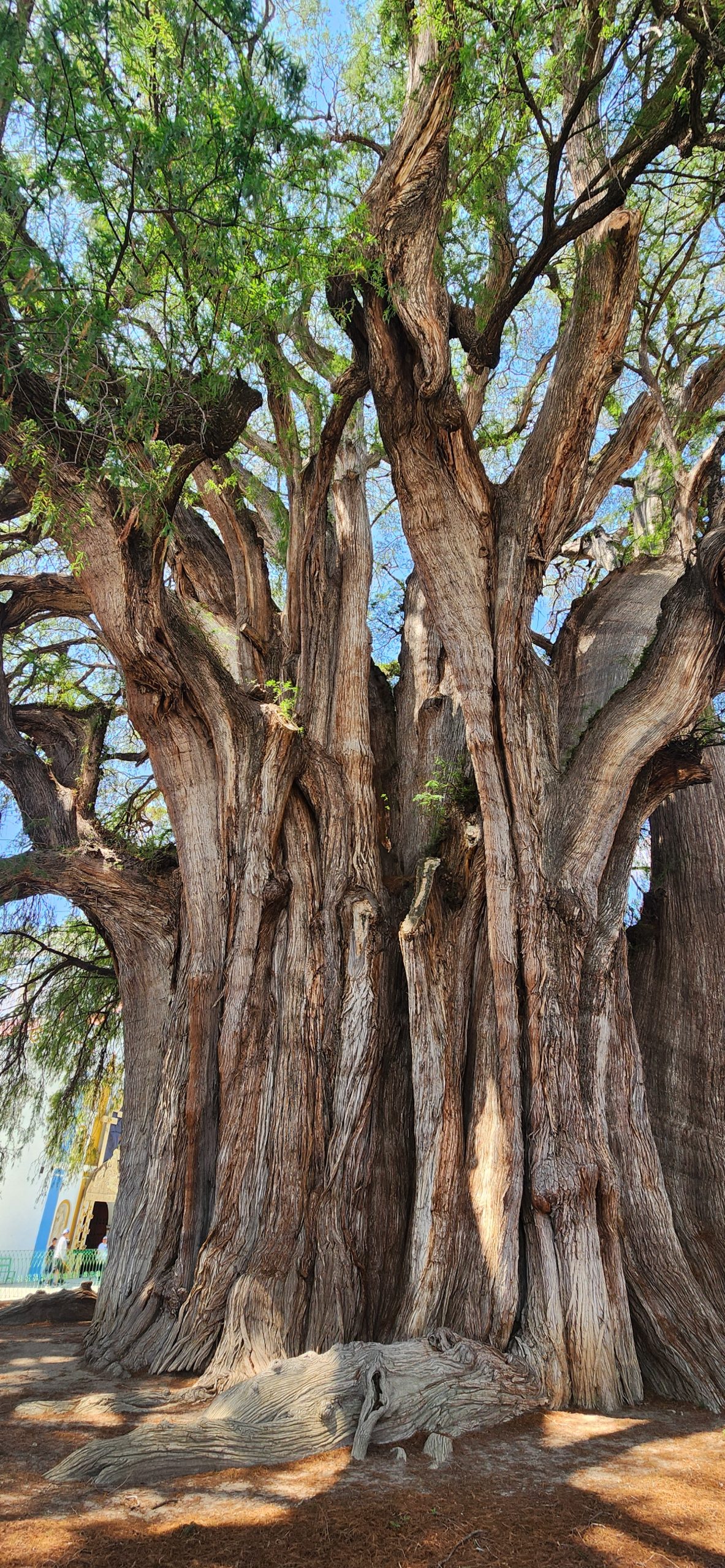
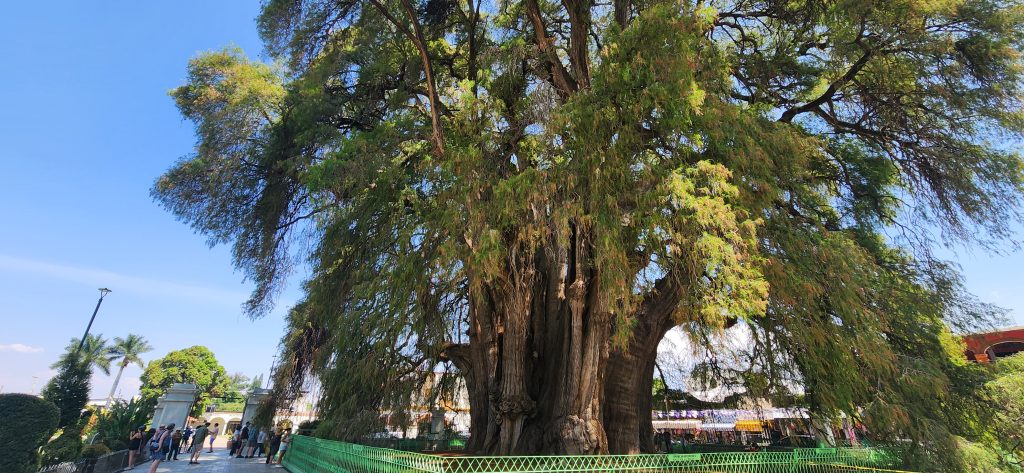
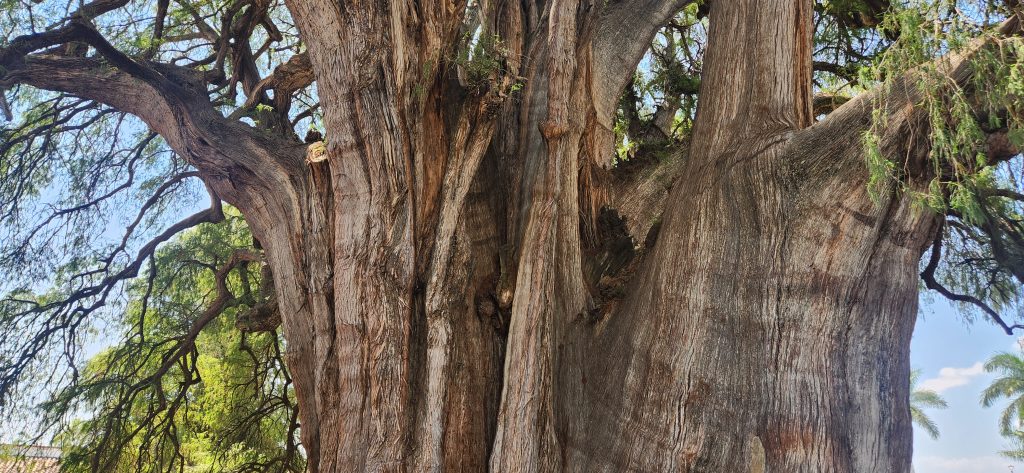
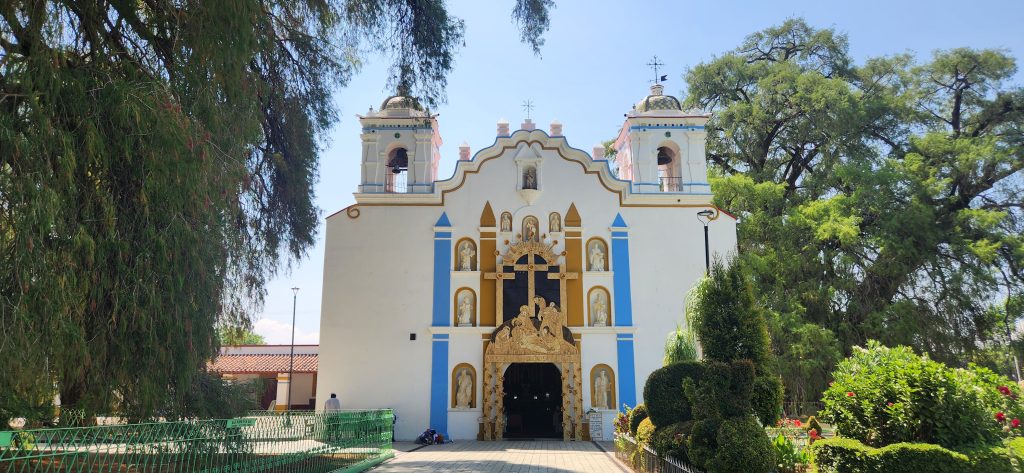
This tree in the town of Santa María del Tule is one of the most extraordinary natural landmarks in Mexico. This enormous Montezuma cypress, also called an ahuehuete, is believed to be more than 2,000 years old and is considered to have the widest tree trunk in the world. Standing beside the church in the town plaza, the tree rises over 130 feet tall, and its trunk is so massive that it takes about thirty people holding hands to fully encircle it. For centuries, the tree has been a symbol of life, endurance, and spiritual importance in Oaxaca. The tree is deeply connected to local legends and Zapotec history. According to tradition, it was planted by a priest of the wind god Ehécatl many centuries ago, making the site sacred long before the Spanish church was built nearby.
Unless you get some distance away, the tree is literally too large to get all of it in a single photo. It is crazy to think about how long the tree has been there and the history it has witnessed over the years.
And Rosie, who must touch trees, was not happy that we couldn’t get close enough to do that. But, there were some branches that hung down low enough over the barrier that she could touch, and a tree next to it that appeared to be connected by roots that was touchable, so that had to suffice.
Just for fun…
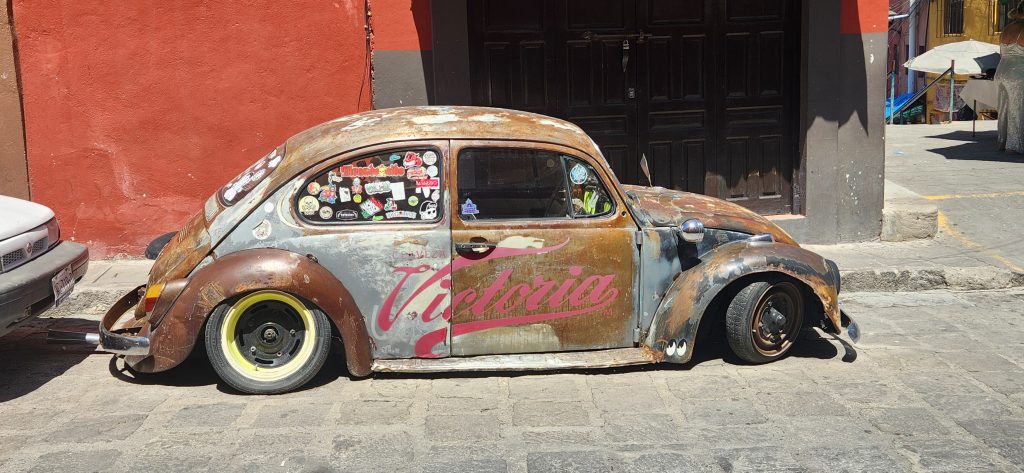
While my son was here in April, I pointed out that there are a lot of Volkswagon Beetles in Mexico. He reminded me that they were actually made in Mexico, hence the reason there were still so many there on the roads.
You will find old, apparently non-running, bugs sitting by the curb decorated in all kinds of artwork. I’m thinking that rather than having them towed away, they are just turned into some kind of artwork.