Visiting friends
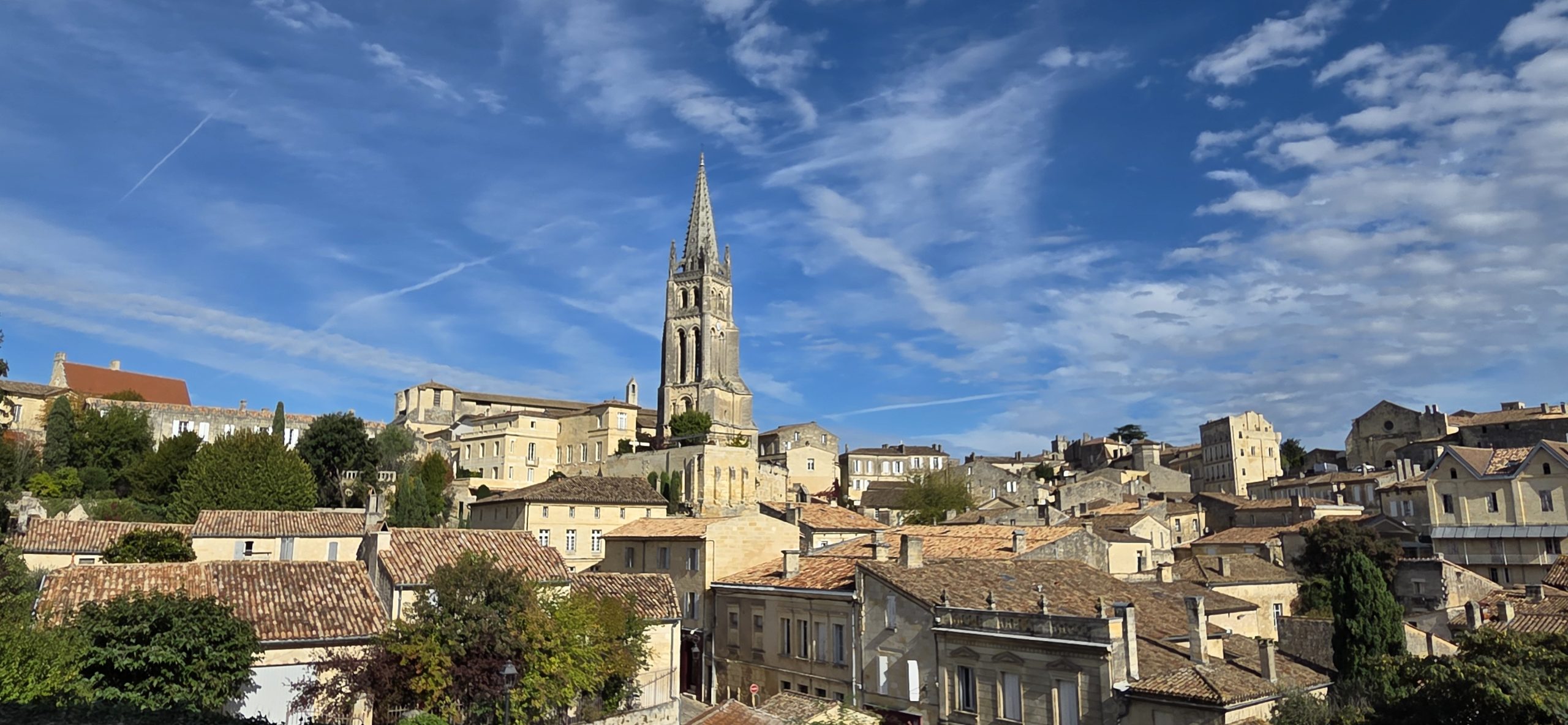
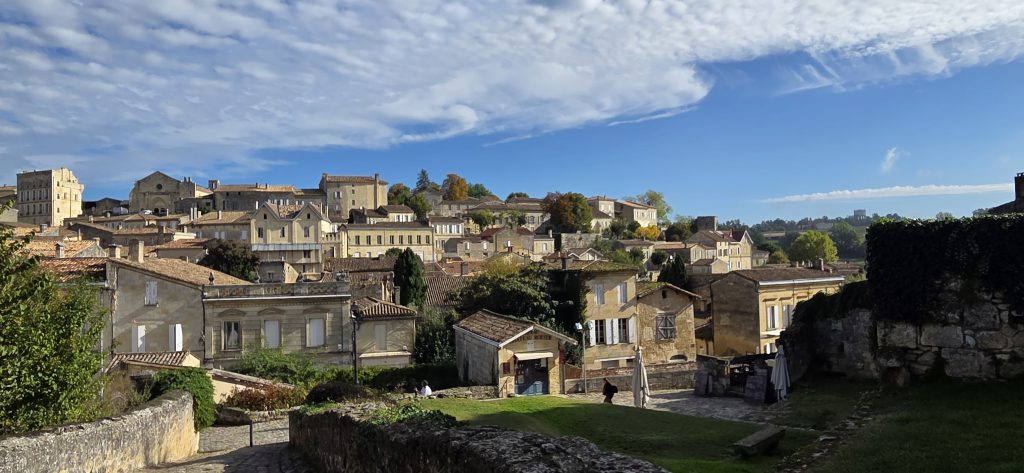
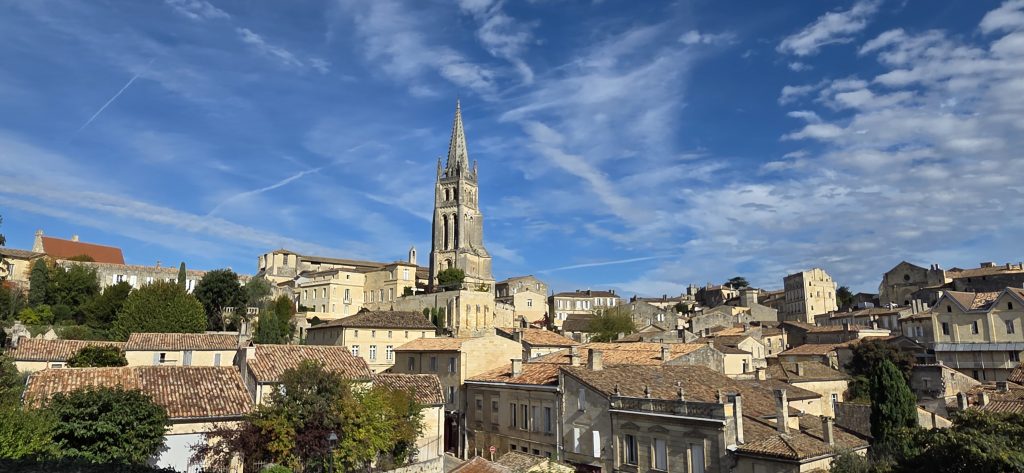
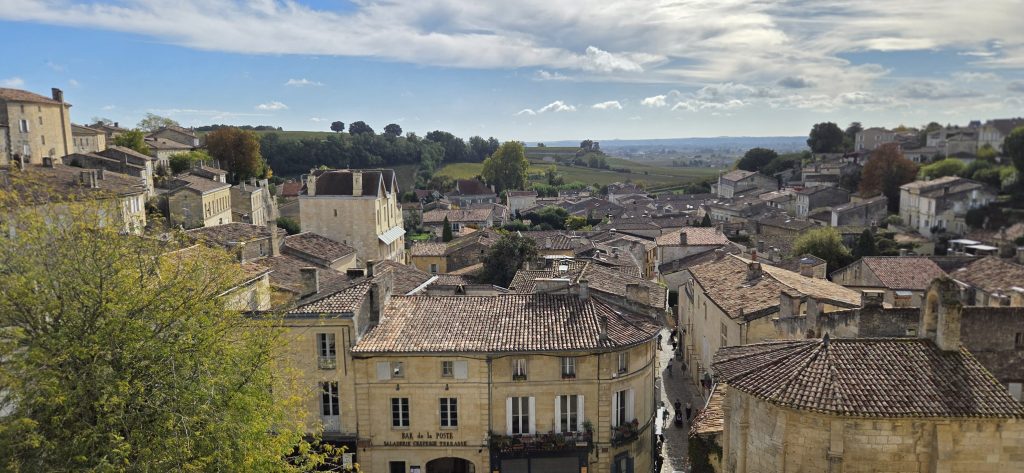
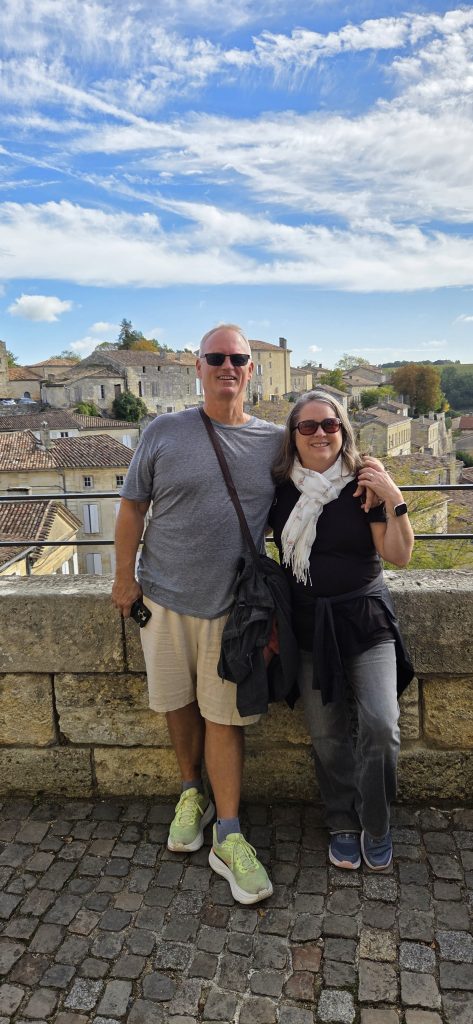
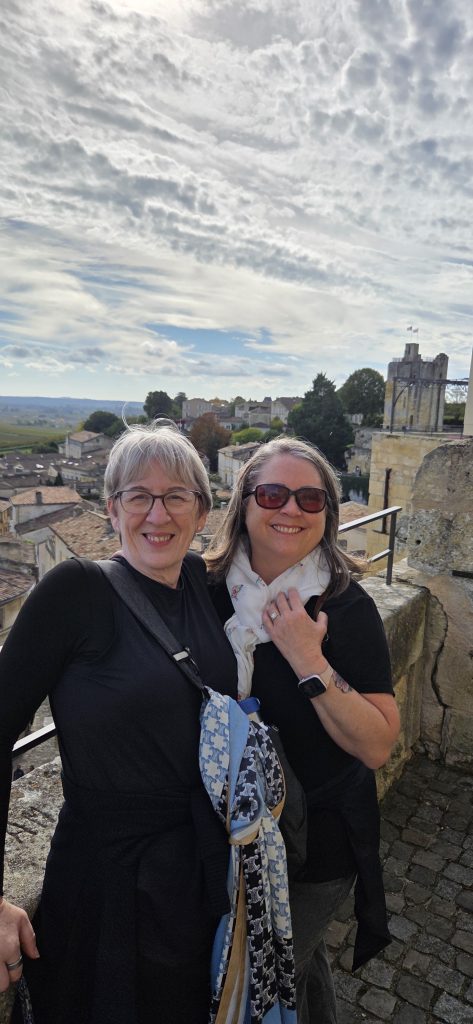
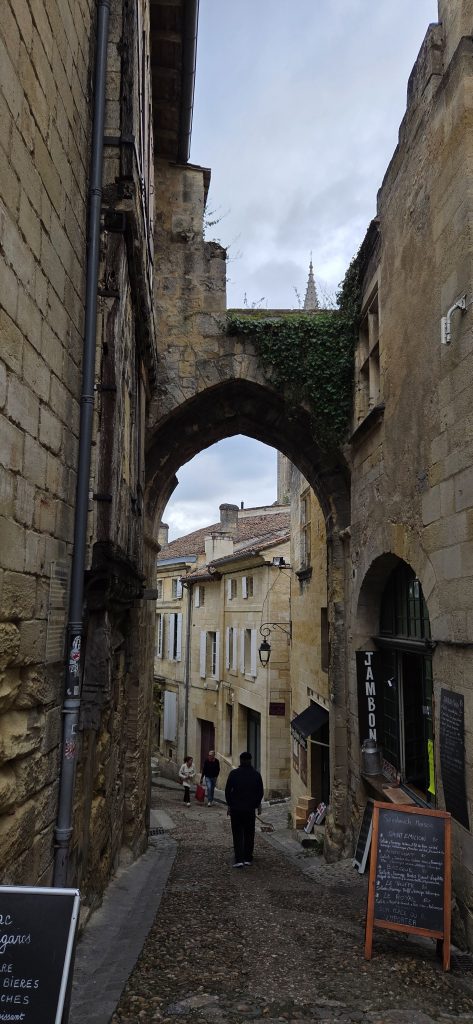
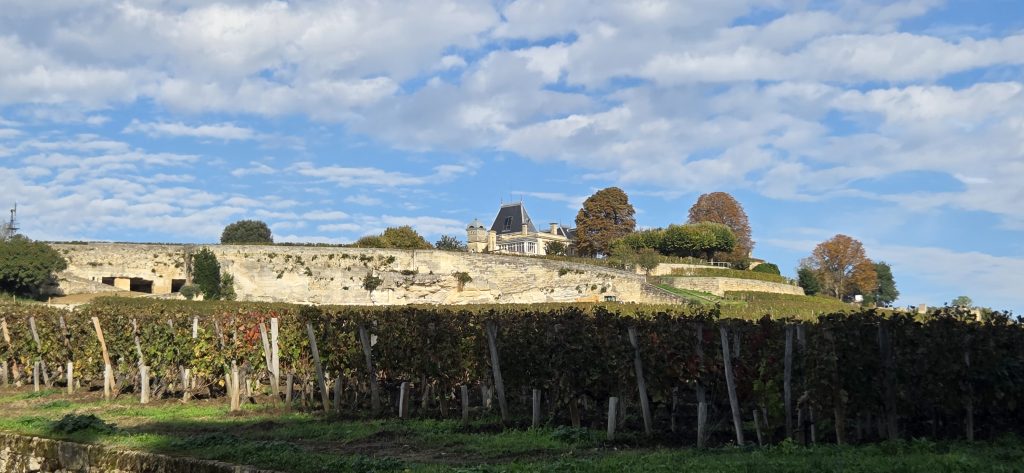
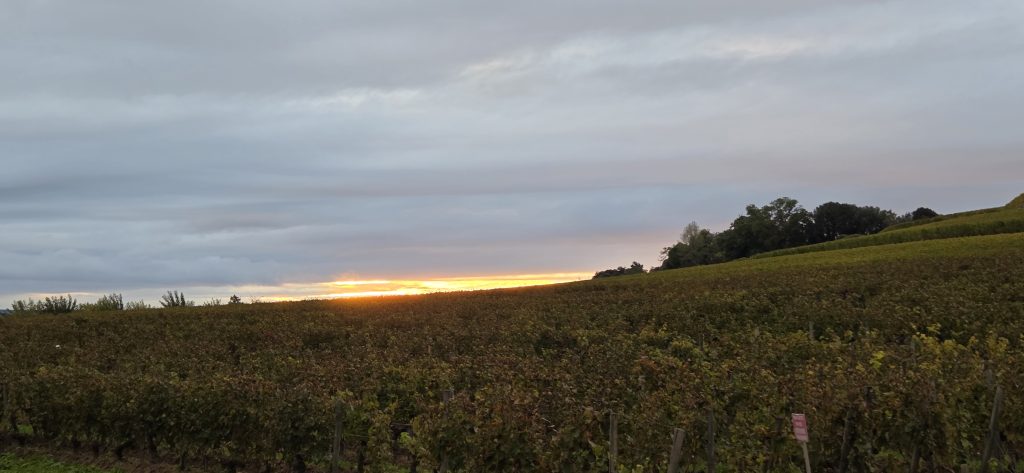
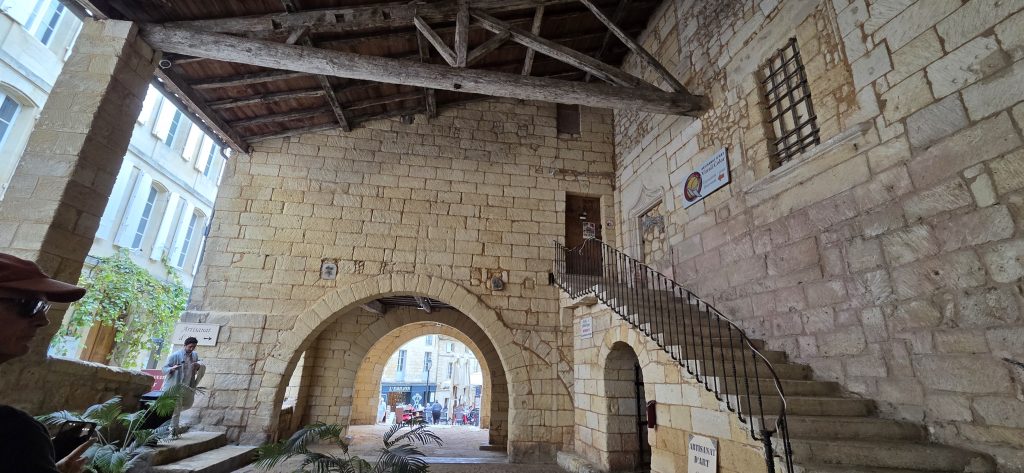
While visiting my friends, Greg and Carrie, in Libourne, we visited Saint-Émilion, a medieval city located in the wine hills. The town and surrounding vineyards was made a UNESCO World Heritage Site in 1999, owing to its long, living history of wine-making, Romanesque churches and ruins stretching all along steep and narrow streets. As the title of this blog indicates, there are only 2000 people living in Saint-Émilion, and 800 wineries, producing around 30 million bottles of wine per year.
Saint-Émilion’s history goes back at least 35,000 years. A large fortified European Iron Age settlement was built on the hill overlooking the present-day city in Gaulish, before the region was annexed by Augustus in 27 BC. The Romans planted vineyards in what was to become Saint-Émilion as early as the 2nd century AD.
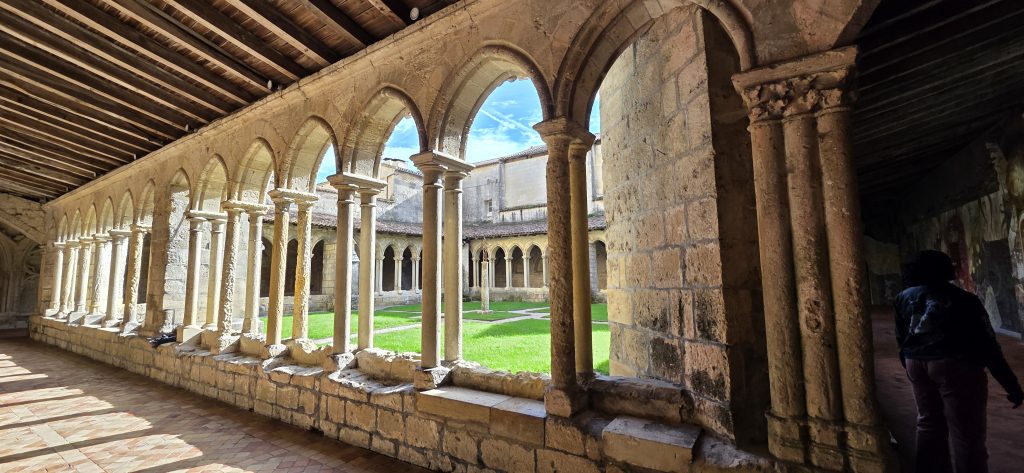
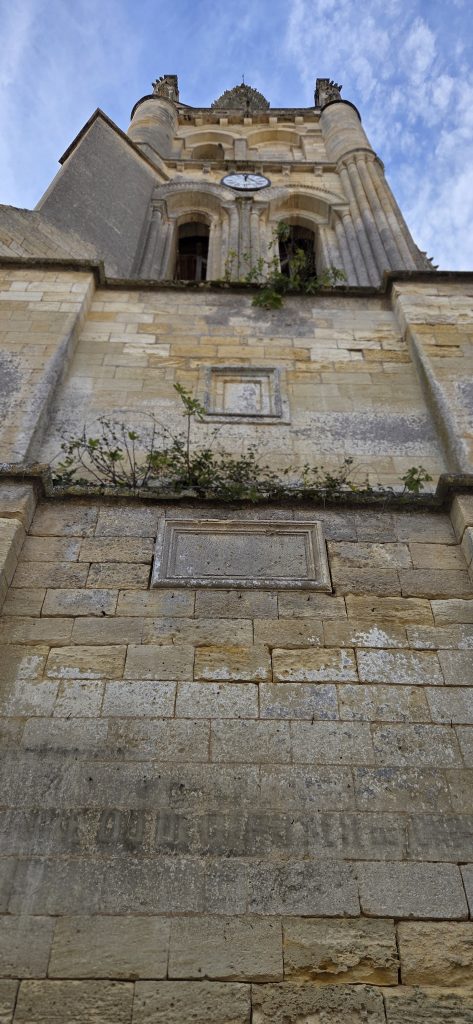
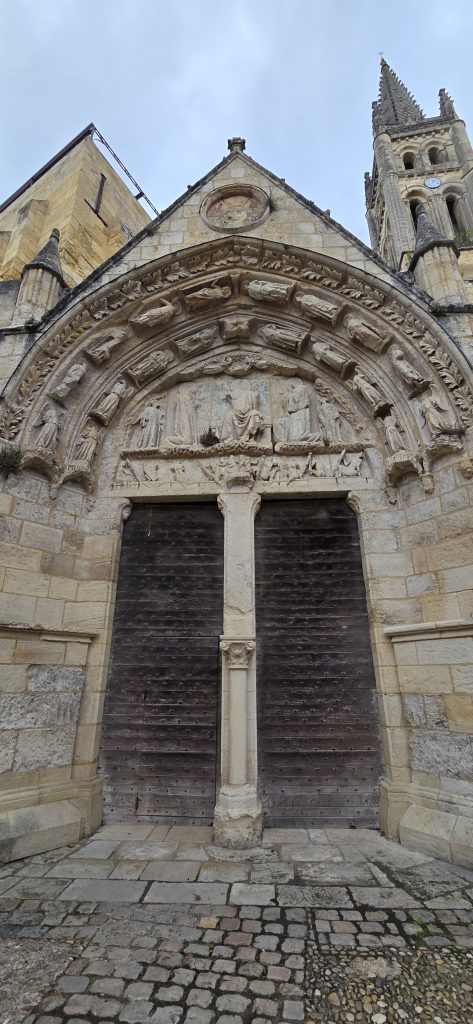
Monolithic Church of Saint-Émilion
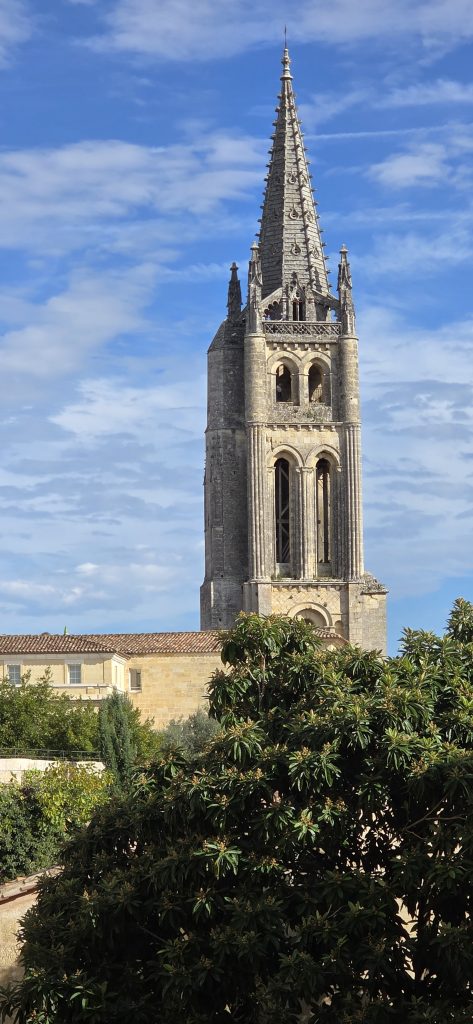
The monolithic church of Saint-Émilion is an 11th century church carved entirely out of a limestone cliff. It is one of the largest underground churches in Europe, with an estimated 530,000 cu ft of rock extracted. The great hall measures 125 ft long and 66 wide, divided into three naves of six bays. Extensive catacombs lie underneath the church. Both the church and the tombs in the catacombs were desecrated during the French Revolution. Heads of statues were removed as well. These acts were part of a broader effort to erase the memory of the monarchy and assert the new revolutionary ideals. (Photos not allowed on the inside.)
Just for fun…
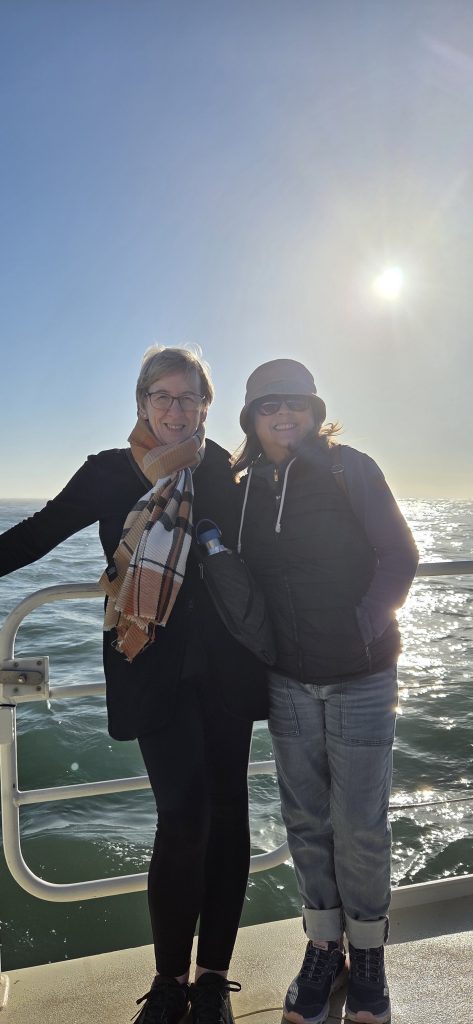
While in Libourne, Carrie and I took a train to Archacon, a beautiful coastal town on the Atlantic Ocean. We spent the day shopping, eating, shopping, touring and shopping. Notice a trend here?
We boarded a catamaran and took a 3 hour tour around the bay where we saw the largest sand dune in Europe. It was a beautiful day to be out on the water!